4 Bible Study Books I Keep Coming Back To (And Exactly What Each One Teaches Me)

Join Our Skool Community- >>> HERE <<< - New 7-Day Study Course Added Weekly
There was a season when I’d read the Bible and feel encouraged… but also a little stuck.
I’d think, “I believe this is true, but what does this really mean?” Or I’d notice a word—like fear, covenant, abide, redeem—and wonder if I was missing something deeper.
That’s when I started using a few “old school” Bible study books that Christians have leaned on for generations. And honestly? They made Scripture feel more connected, more clear, and more alive.
Here are the four tools I believe are worth having (and worth learning to use):
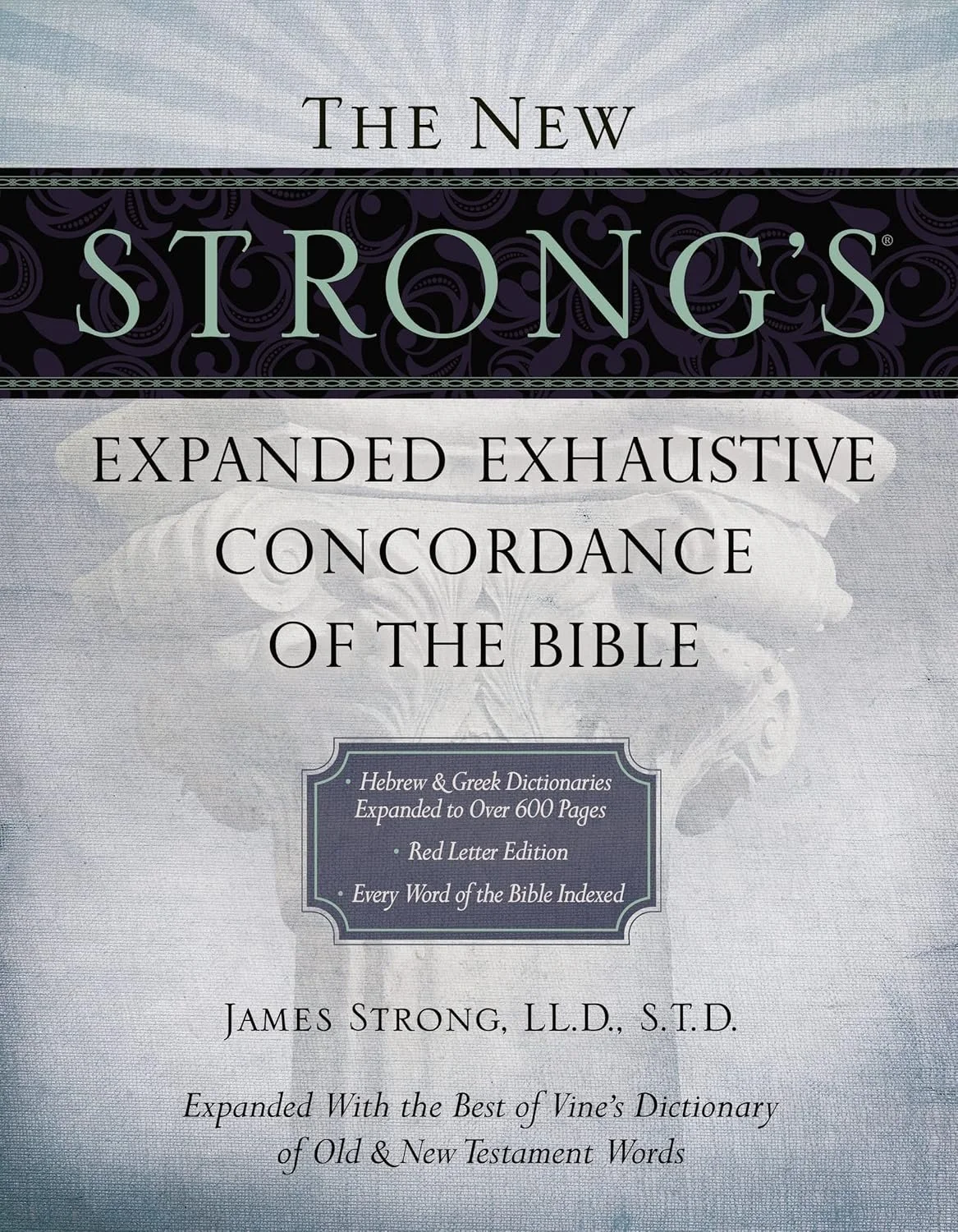
Strong’s Concordance – quick word lookups tied to Hebrew/Greek numbers
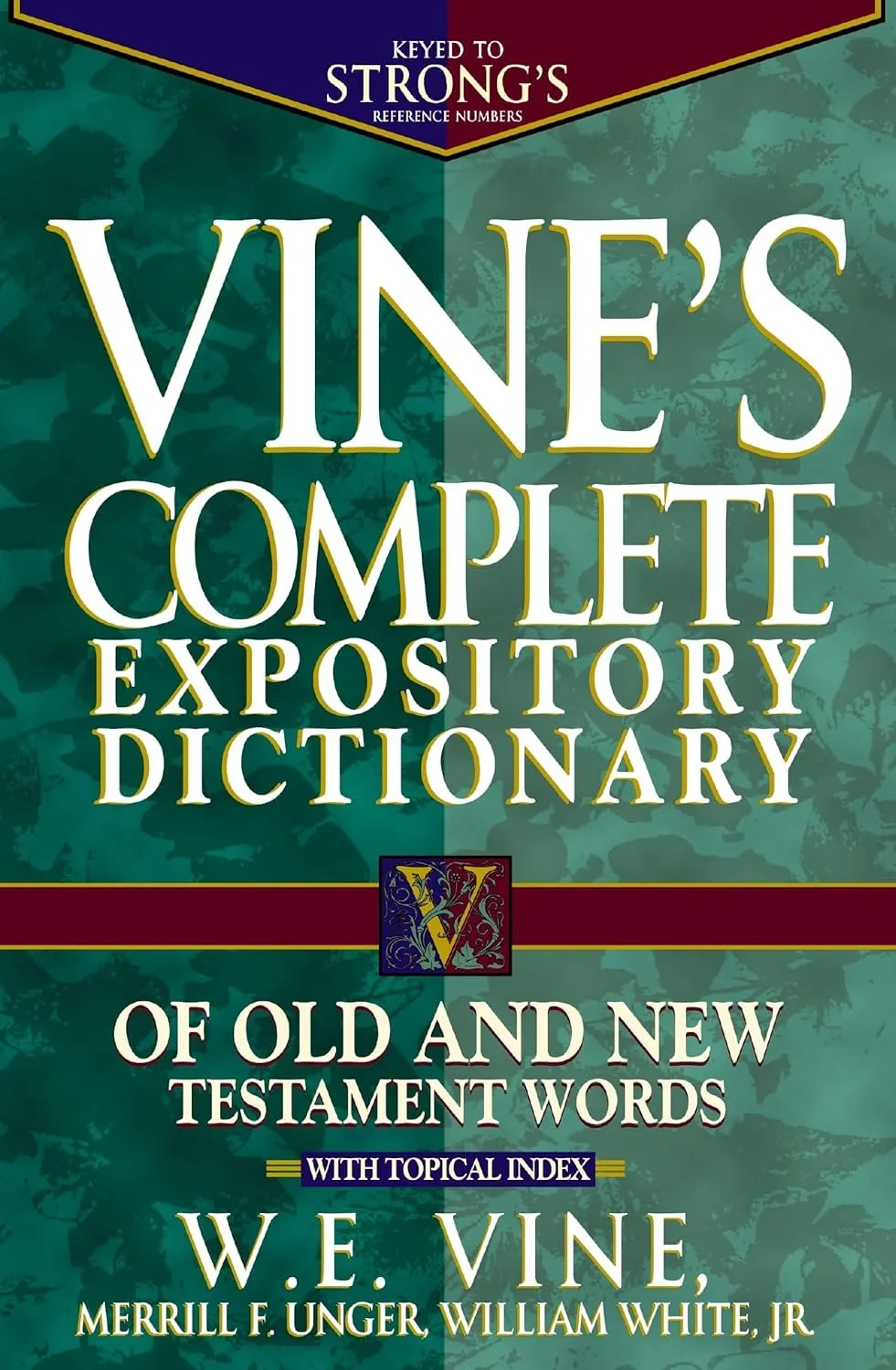
Vine’s Expository Dictionary – word meanings explained simply (and accurately)
Nave’s Topical Bible – Scriptures organized by topics like faith, prayer, covenant
Treasury of Scripture Knowledge (TSK) – cross-references that show how the Bible connects to itself
To make this practical, I’m going to use one passage and show you exactly what you can learn from each tool.
Our example passage (we’ll study this all the way through)
2 Timothy 1:7 is a favorite for many believers. In the NIV it says:
God did not give us a spirit of “fear,” but of power, love, and self-discipline.
Even if you’ve heard that verse a hundred times, these tools help you see it with fresh eyes.
1) Strong’s Concordance
Why it matters
Strong’s helps me answer:
“What original word is behind my English word?”
…and “Where else does that exact original word show up?”
How I use it (simple steps)
Choose a key word in the verse (example: fear)
Find it in Strong’s (or in a Bible/app with Strong’s numbers)
Note the Strong’s number
Trace other verses that use that same original word
Exact example: what Strong’s teaches me from 2 Timothy 1:7
When you look up “fear” in Strong’s for 2 Timothy 1:7, you find it’s not the common Greek word phobos (general fear). It’s deilia (often connected with timidity/cowardice).
What I learn:
This verse isn’t saying, “You’ll never feel nervous.” It’s saying God didn’t give me a spirit of cowardice—the kind of fear that shrinks back from obedience, witness, or calling.
That one detail alone changes how I apply the verse:
Not just “calm down,” but “don’t retreat from what God is asking you to do.”
2) Vine’s Expository Dictionary
Why it matters
Vine’s helps me answer:
“What does this word mean in everyday language—and what shades of meaning does it carry?”
Strong’s is amazing for identifying the original word. Vine’s is where it starts making sense in plain English.
How I use it
Take the original word (or the English word) and look it up in Vine’s
Read the explanation
Watch for contrasts (Vine’s often shows related words and differences)
Exact example: what Vine’s teaches me from 2 Timothy 1:7
When I take that Strong’s discovery (deilia) into Vine’s, Vine’s helps clarify the idea more fully—this is not holy reverence or awe. This is the fear that produces timidity, hesitation, and shrinking back.
What I learn:
There’s a difference between:
reverence toward God (healthy, worshipful fear), and
cowardice/timidity (the fear that paralyzes obedience)
So when I read 2 Timothy 1:7, I’m not reading it like God is scolding me for being human. I’m reading it like God is strengthening me to walk forward in love and courage.
3) Nave’s Topical Bible
Why it matters
Nave’s helps me answer:
“What does the whole Bible say about this topic?”
This is where I go when I want to study themes—faith, prayer, fear, covenant, salvation, spiritual gifts, etc.
How I use it
Choose a topic (example: Fear)
Find it in Nave’s (you’ll see a list of verse references)
Pick 5–10 that stand out
Read each verse in context and take notes
Exact example: what Nave’s teaches me from 2 Timothy 1:7
When I look up the topic FEAR in Nave’s, I find something really important:
Scripture talks about fear in two very different ways:
Fear of man / fear of circumstances (something we’re repeatedly told not to live under)
Fear of the Lord (reverence, worship, wisdom-beginning fear)
What I learn:
The Bible doesn’t say “fear is always bad.”
It teaches me to trade the wrong fear for the right fear:
Let go of fear that makes me shrink back…
And grow in reverence that makes me obey God boldly.
This keeps me balanced. It prevents me from using one verse to build a shallow belief.
4) Treasury of Scripture Knowledge (TSK)
Why it matters
The TSK helps me answer:
“What other Scriptures connect to this verse—and how does the Bible interpret itself?”
If Nave’s is topic-based, TSK is verse-based. It’s like having a web of Scriptures attached to each verse.
How I use it
Look up the verse (example: 2 Timothy 1:7)
Scan the cross-references beside it
Follow the most relevant ones (don’t try to do all at once)
Read them and compare what they reveal
Exact example: what TSK teaches me from 2 Timothy 1:7
When I look up 2 Timothy 1:7 in the TSK, it cross-references verses that reinforce the same truth—especially passages about the Spirit producing courage and boldness.
For example, it commonly points you toward verses like:
Romans 8:15 (not a spirit of bondage leading again to fear)
Joshua 1:9 (be strong and courageous—God is with you)
Acts passages where the Spirit empowers bold witness
What I learn:
2 Timothy 1:7 isn’t a “cute quote.” It’s part of a Bible-wide pattern:
God consistently replaces fear-based living with Spirit-empowered courage, love, and obedience.
TSK makes the Bible feel like one connected story instead of isolated verses.
The easiest way to use all four together (my simple workflow)
Step 1: Start with the verse (read it slowly)
Write it out. Circle key words.
Step 2: Strong’s (identify the original word)
“What word is this really?”
Step 3: Vine’s (understand the meaning clearly)
“What does this word communicate?”
Step 4: Nave’s (study the topic across Scripture)
“What does the whole Bible teach about this theme?”
Step 5: TSK (follow cross-references from this exact verse)
“What other passages strengthen and explain this verse?”
That’s it. Not complicated—just a reliable rhythm.
A 10-minute study you can do today (using these tools)
Try this with 2 Timothy 1:7:
Write the verse reference at the top of your page
Circle fear / power / love / self-discipline
Use Strong’s on “fear” and note what kind of fear it is
Use Vine’s to understand the meaning and contrast
Use Nave’s to find 5 verses on fear (read in context)
Use TSK to follow 3 cross-references tied to 2 Timothy 1:7
Finish with one sentence:
“Because God gave me ________, I will ________.”
Final encouragement
I love Bible study tools because they don’t replace Scripture—they help me see it more clearly.
And when Scripture becomes clearer, faith becomes steadier.
If you’ve ever wanted to move from “I read the Bible” to “I understand what I’m reading,” these four books are a beautiful place to start.
You don’t have to figure this out alone. Inside my Skool group, I’ll guide you through using these tools in a deeper, hands-on way—plus you’ll get weekly Bible study courses and downloadable resources.
Come join us with a free 7-day trial.
👉 Join the 7-Day Course on Skool
Recommended Books to Further Study the Subject
As an Amazon Associate, I earn from qualifying purchases. This page contains affiliate links. If you choose to make a purchase after clicking a link, I may receive a commission at no extra cost to you.If you need more information on God’s Plan of Salvation - Click Here
Want to help support this blog!
Order you favorite “Holy Spirit” Gear Below