
Join Our Skool Community- >>> HERE <<< - New 7-Day Study Course Added Weekly
We live in a world that trains us to scroll past everything—headlines, heartache, even holy conviction. Notifications steal our attention, and noise dulls our discernment. And if I’m honest, I’ve found that spiritual drift rarely announces itself. It’s quiet. It’s gradual. It’s the slow fading of urgency… until one day we realize our lamp is low and our heart is tired.
That’s why the biblical meaning of a watchman has gripped me so deeply.
In Scripture, a watchman isn’t a person obsessed with fear or catastrophe. A watchman is someone entrusted with vision—not the kind that makes you puff up, but the kind that makes you kneel down. It’s a calling marked by vigilance, prayer, discernment, and love. The watchman sees danger and doesn’t stay silent—but the watchman also sees hope and refuses to give up.
So let’s walk through the Bible together and uncover what it really means to be a watchman—and how we can live that out with courage, humility, and steady faith.
What Is a Watchman in the Bible?
In ancient times, watchmen stood on city walls or towers, scanning the horizon. Their job was simple and serious:
Watch for approaching danger
Sound the warning
Protect the people from being caught off guard
Spiritually, the picture is just as clear. A biblical watchman is someone who stays alert to the condition of the soul—both their own and, at times, the community God has placed them in. Watchmen are not called to panic. They’re called to pay attention.
And here’s what I love: God doesn’t call watchmen to control outcomes. He calls watchmen to be faithful.
Ezekiel’s Watchman: A Call to Warn With Accountability (Ezekiel 33)
If you want the clearest “job description” of a watchman in Scripture, you find it in Ezekiel.
God tells Ezekiel:
Listen for My word
Speak what I say
Warn when warning is needed
Ezekiel 33 carries a sobering truth: when a watchman sees danger and refuses to warn, people suffer—and the watchman is held accountable. Not because God enjoys heaviness, but because spiritual responsibility is real.
But there’s something even more important that we can’t miss: God’s heart behind the warning.
In Ezekiel 33:11, God makes it plain that He does not delight in judgment. He desires repentance. He longs for people to turn and live.
So the watchman’s message is not “I hope you get what you deserve.”
The watchman’s message is: “Please come home.”
A true watchman is not fueled by condemnation. A true watchman is fueled by compassion—and compelled by truth.
What Ezekiel teaches me as a modern believer:
I’m responsible to take sin seriously, starting in my own life.
I’m called to speak truth, but I’m not allowed to speak it without love.
My warning should always leave room for God’s mercy and redemption.
Isaiah’s Watchmen: Intercession That Refuses to Quit (Isaiah 62)
Isaiah adds another dimension to the watchman’s role—one that has challenged me deeply.
Isaiah 62:6 paints a picture of watchmen stationed on Jerusalem’s walls who will “never be silent day or night.” These aren’t just guards watching for enemies. These are intercessors who keep praying, keep calling on God, keep standing in the gap.
This is the watchman as a praying protector.
And notice the posture: not silent, not passive, not asleep at the post.
Watchmen don’t pray once and shrug. Watchmen don’t say, “Well, I tried.”
Watchmen pray with spiritual endurance—because they believe God hears, God moves, and God keeps His promises.
Isaiah also shows watchmen rejoicing when God restores and redeems (see Isaiah 52:8). That matters because it reveals the watchman’s emotional center: hope.
A watchman may carry a burden, but a watchman is not hopeless.
A watchman expects God to show up.
What Isaiah teaches me:
Watchmen are not just “warning voices.” They’re praying voices.
Being a watchman means I don’t get to be casual about my prayer life.
Intercession is not an accessory—it’s part of the assignment.
Jesus and the Watchman Call: “Watch!” (Mark 13)
When we get to the New Testament, Jesus picks up this theme and presses it into every believer’s life.
In Mark 13:34–37, Jesus describes servants placed in charge while the master is away. Everyone has a task. Everyone has responsibility. And then He ends with the word that cuts through spiritual sleepiness:
“What I say to you, I say to everyone: Watch!” (Mark 13:37)
Jesus is not encouraging paranoia—He’s confronting apathy.
To “watch” means to live awake. To refuse to drift. To stay ready—not only for His return, but for daily obedience. It’s the decision to live like the Kingdom is real… because it is.
This is where the watchman calling becomes personal:
I can’t outsource spiritual alertness.
I can’t borrow someone else’s oil.
I can’t assume I’ll “get serious later.”
Jesus says, Watch. Now. Today. While it’s still day.
Luke’s Watchmen: Lamps Burning, Lives Ready (Luke 12)
Luke’s Gospel gives another powerful picture: servants waiting for their master’s return, dressed and ready, with lamps burning (Luke 12:35–40).
This kind of watchfulness isn’t frantic. It’s faithful.
Luke highlights three marks of a watchman-hearted believer:
1) Alertness
Not spiritually numb. Not drifting. Paying attention to what’s happening in the heart.
2) Preparedness
A life positioned for obedience. A spirit that says, “Lord, I want to be ready.”
3) Faithful stewardship
Serving while waiting. Working while watching. Being responsible with what God has entrusted—time, influence, gifts, resources, relationships.
This is important: the watchman in Luke isn’t staring at the sky doing nothing. Watchfulness is not laziness dressed up as spirituality. It’s readiness expressed through faithful living.
What a Watchman Is (and What a Watchman Isn’t)
Before we talk practical steps, I want to clear something up—because the “watchman” label can get twisted.
A watchman IS:
Spiritually alert and rooted in Scripture
Prayerful and sensitive to conviction
Courageous enough to speak, humble enough to weep
Focused on repentance, holiness, and hope
A lover of truth and people
A watchman is NOT:
A fear-driven messenger of doom
A self-appointed judge with a harsh spirit
Someone chasing rumors, drama, or spiritual hype
A person obsessed with being “right” instead of being faithful
A believer who warns others but ignores their own heart
If my “discernment” makes me arrogant, it’s not discernment.
If my “warning” lacks love, it’s not biblical.
If my “watchfulness” steals my peace, I’ve wandered from Jesus.
Because Jesus never told us to watch with terror.
He told us to watch with faith.
How to Live as a Watchman Today (Without Burning Out)
If you feel that pull toward spiritual vigilance—if you’ve sensed a holy discomfort with complacency—here are practical ways to embrace the watchman mindset in a healthy, biblical way.
1) Start on the wall of your own heart
Proverbs 4:23 says to guard your heart because everything flows from it. Before I try to warn anyone else, I ask: Lord, where am I drifting?
Watchman living begins with personal repentance.
2) Watch and pray (Matthew 26:41)
Jesus tied watchfulness to prayer for a reason.
If you try to “watch” without prayer, you’ll end up anxious, angry, or exhausted.
Prayer doesn’t just calm you—it clarifies you.
3) Stay anchored in Scripture
Discernment isn’t a vibe. It’s a skill trained by truth.
The Word of God sharpens what the world dulls.
4) Keep your lamp burning
Luke’s image is so practical: stay fueled.
Oil doesn’t appear by accident. It’s built in the daily habits:
worship
confession
time in the Word
spiritual community
obedience in the small things
5) Speak truth in love (Ephesians 4:15)
Sometimes God will prompt you to speak—a warning, an encouragement, a correction, a reminder.
But the tone matters. The motive matters. The spirit matters.
A watchman doesn’t enjoy sounding the alarm. A watchman obeys because love refuses silence.
6) Intercede like Isaiah’s watchmen
Pray for your family. Pray for your church. Pray for your community.
Don’t just complain about darkness—stand on the wall and pray light into it.
7) Stay faithful with what God gave you
A watchman doesn’t just “wait for Jesus.”
A watchman serves Jesus while waiting.
Your task might be raising kids, working a job, caring for parents, leading a small group, mentoring a friend, writing encouragement, showing up consistently in prayer.
Watching and working go together.
A Watchman Prayer (Use This Anytime)
Lord, make me spiritually awake.
Keep my heart soft and my conscience sensitive.
Show me where I’m drifting, and draw me back quickly.
Teach me to love truth without losing love for people.
Give me courage to speak when You say speak—and wisdom to stay quiet when You say wait.
Set me on the wall in prayer, not in fear.
Help me keep my lamp burning and my life ready.
And when I see danger, remind me Your goal is always redemption.
In Jesus’ name, amen.
Encouragement for the Weary Watchman
If you’ve felt burdened lately—if you’ve been praying hard, watching carefully, carrying people on your heart—please hear this:
God never asked you to carry what only He can hold.
A watchman is faithful, but God is sovereign.
A watchman is alert, but God is the Defender.
A watchman warns, but God saves.
Your calling is obedience. His calling is outcomes.
So breathe. Stay steady. Keep your lamp burning. And let your watchfulness be filled with peace, not panic—because the One who called you is faithful.
FAQs
Is every Christian called to be a watchman?
Every believer is called to spiritual alertness (“watch and pray”), but some may feel a stronger burden toward intercession, discernment, and warning. Either way, watchfulness is biblical for all of us.
How do I know if God is calling me to be a watchman?
Common signs include: a consistent burden to pray, sensitivity to spiritual drift (in yourself and others), a love for Scripture, and a pull to encourage or warn with humility—not fear or ego.
What is “watchman prayer”?
Watchman prayer is persistent intercession—praying with alertness, discernment, and endurance, like Isaiah’s watchmen who refuse to be silent.
Can watchmen be wrong?
Yes—if we rely on emotion, rumor, or pride instead of Scripture and prayer. Biblical watchfulness stays humble, checks motives, and remains teachable.
Want to go deeper? When you join the Living A Fruitful Life Skool Community, you’ll get free access to a 7-day course that expands on this study and helps you live it out.
👉 Join the 7-Day Course on Skool
Recommended Books to Further Study the Subject
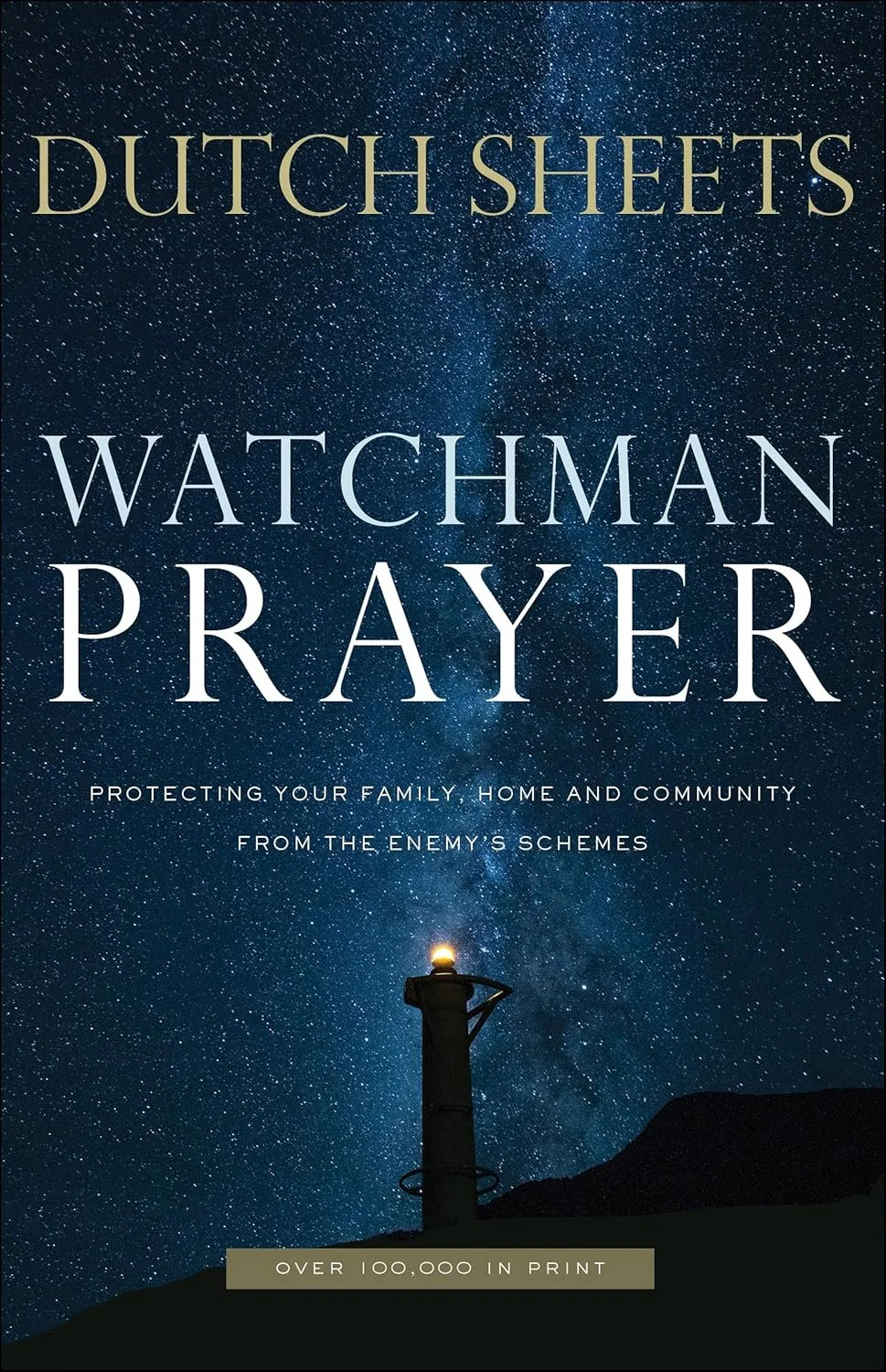

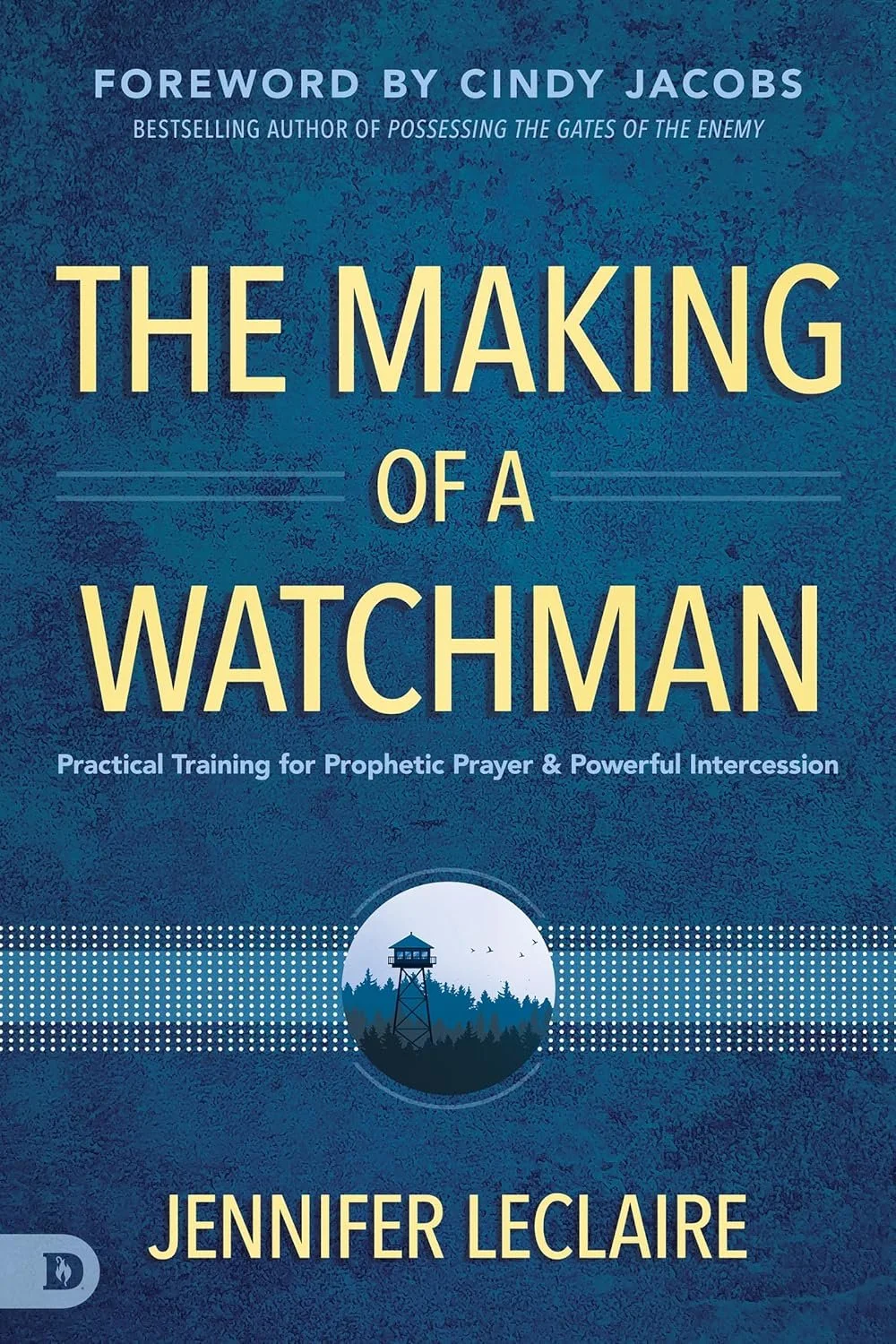

As an Amazon Associate, I earn from qualifying purchases. This page contains affiliate links. If you choose to make a purchase after clicking a link, I may receive a commission at no extra cost to you.If you need more information on God’s Plan of Salvation - Click Here
Want to help support this blog!
Order you favorite “Holy Spirit” Gear Below