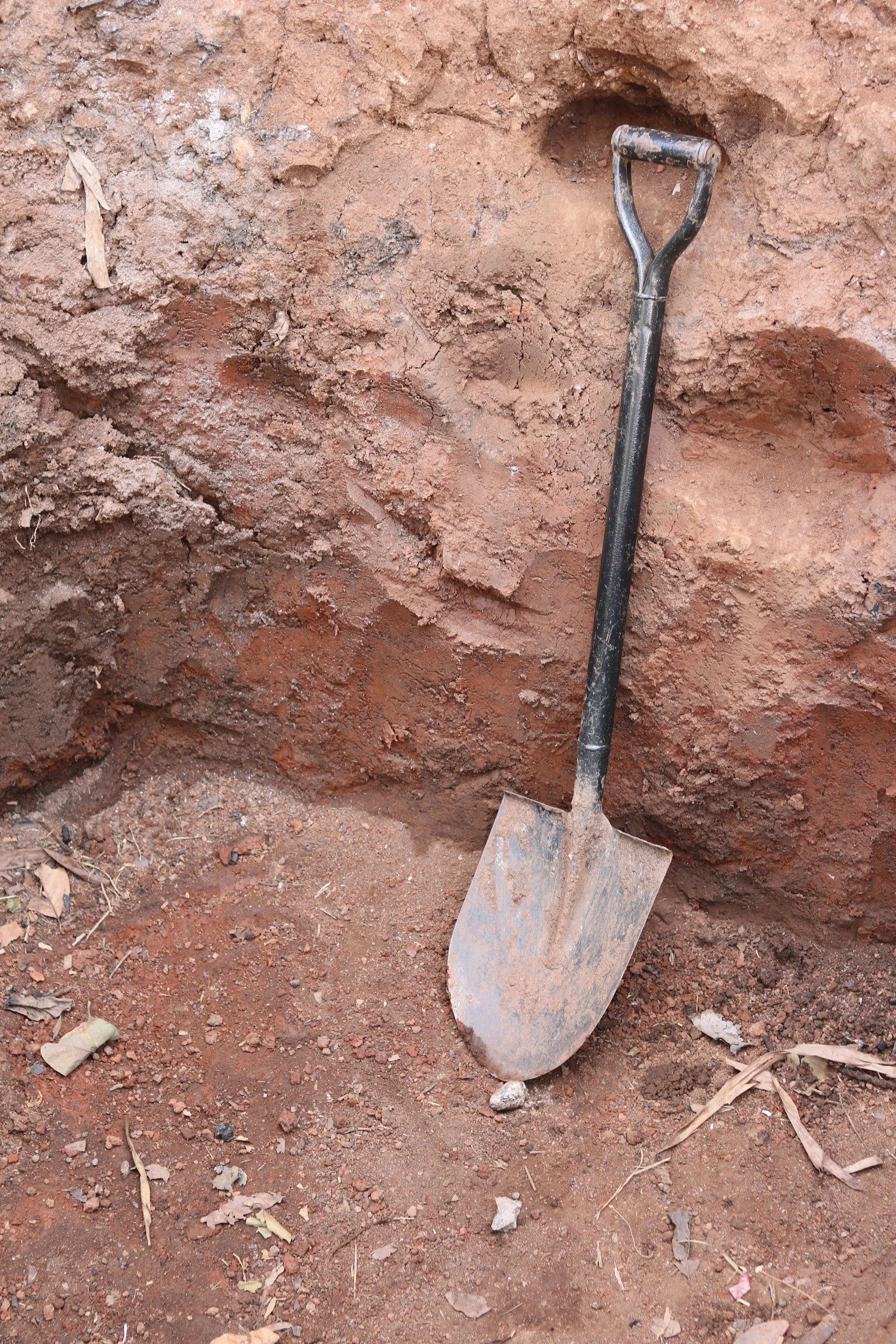
When You’re in a Hole — Stop Digging
Join Our Skool Community- >>> HERE <<< - New 7-Day Study Course Added Weekly
Have you ever looked up and realized you’re not just having a hard season… you’re in a full-blown hole?
Not a cute little “life is messy” dip. I mean the kind of hole where you feel stuck, ashamed, overwhelmed, confused, and tired—like you’re living in survival mode and calling it normal. The kind of hole where you keep thinking, How did I get here? and Why can’t I climb out?
And here’s the painful part: sometimes we’re not only in a hole… we’re still digging.
We dig with our words. We dig with our choices. We dig with our habits. We dig with our pride. We dig with avoidance. We dig with blame. We dig with fear. We dig with “just one more time” and “I’ll deal with it later.”
So today I want to talk about a simple phrase that has saved people from years of unnecessary damage:
When you’re in a hole—stop digging.
Not because God is done with you. Not because you’re hopeless. But because the moment you stop digging is the moment you can start healing.
The Hole Isn’t Always the Sin… It’s the Spiral
Let me say something gently, because I’ve had to say it to myself: being in a hole doesn’t always mean you’re rebellious. Sometimes it means you’re human.
You can end up in a hole through grief, exhaustion, betrayal, trauma, financial pressure, chronic stress, poor counsel, or even slow compromise—tiny decisions that didn’t feel serious until they stacked up like bricks.
But the hole becomes dangerous when we panic and start doing what feels natural:
Controlling everything because we feel out of control
Numbing pain because we don’t want to feel it
Hiding because we’re embarrassed
Lashing out because we’re hurting
Making fast decisions because we’re desperate
Isolating because we think we’re a burden
That’s the digging.
And the enemy loves the digging—because digging keeps you too busy, too ashamed, and too exhausted to lift your eyes and call on God.
A Picture From Scripture:
The Prodigal and the Turning Point
The prodigal son didn’t wake up in the pigpen one day because he made one bad choice.
He got there through a series of decisions—some bold, some foolish, some impulsive. And the Bible says he eventually “came to himself” (Luke 15:17, KJV). That phrase gets me every time.
Because the turning point wasn’t the money returning.
It wasn’t the circumstances changing.
It wasn’t someone rescuing him.
The turning point was clarity.
He stopped digging.
He stopped pretending.
He stopped blaming.
He stopped defending the mess.
He stopped trying to make the pigpen livable.
And that’s when he turned his face toward home.
That is what repentance really looks like—not just feeling sorry, but changing direction.
“If we confess our sins, he is faithful and just to forgive us…” (1 John 1:9).
Confession is often the first way we drop the shovel.
The Shovel Can Look Spiritual
This is where it gets tricky: sometimes we keep digging while calling it wisdom.
“I’m just protecting my peace.” (but it’s isolation)
“I’m just speaking my truth.” (but it’s bitterness)
“I’m just being realistic.” (but it’s unbelief)
“I’m just busy.” (but it’s avoidance)
“I’m just scrolling to relax.” (but it’s numbing)
“I’m fine.” (but it’s denial)
We can dress digging up in nice outfits.
But God doesn’t deal with outfits.
He deals with truth.
“Search me, O God… and see if there be any wicked way in me.” (Psalm 139:23–24)
That prayer is basically: Lord, show me where I’m still digging.
How to Know If You’re Still Digging
Here are a few honest “digging indicators.” If any of these hit close to home, don’t let shame talk louder than God’s mercy:
1) You keep repeating the same cycle
You keep promising “never again” and then finding yourself right back at the edge of the same cliff.
“Like a dog returns to his vomit…” (Proverbs 26:11).
That verse is strong—and it’s meant to wake us up, not crush us.
2) You avoid the light
You don’t want to talk about it. You don’t want accountability. You don’t want prayer. You don’t want anyone to ask questions.
“But whoever lives by the truth comes into the light…” (John 3:21)
Digging loves darkness. Healing loves light.
3) You’re more focused on being right than being free
You may have reasons. You may have receipts. You may even be justified in your pain.
But freedom doesn’t come from winning arguments.
Freedom comes from surrender.
“Pride goes before destruction…” (Proverbs 16:18)
4) Your coping methods are costing you
Some coping methods aren’t sinful, but they become idols when they replace God.
If your “relief” leaves you emptier, more anxious, more distant from the Lord, or more ashamed—friend, that’s a shovel.
“Be careful… that your hearts are not weighed down…” (Luke 21:34)
5) You feel convicted but you keep negotiating
Conviction says, Come home.
Negotiation says, How close can I stay to the edge and still call it okay?
“The way of a fool is right in his own eyes…” (Proverbs 12:15)
Step One: Drop the Shovel
If you’re in a hole, you don’t climb out by digging faster. You climb out by stopping first.
So what does “drop the shovel” look like?
It can look like:
Ending the conversation that feeds your flesh
Deleting the app you keep falling into
Apologizing without defending yourself
Asking for help and letting someone in
Making the hard boundary you’ve avoided
Telling the truth—even if your voice shakes
Saying, “I need prayer,” instead of “I’m fine”
The Bible says:
“Submit yourselves therefore to God. Resist the devil, and he will flee from you. Draw near to God…” (James 4:7–8)
Notice the order. Submit first. That’s dropping the shovel. Then resist.
Step Two: Call for Help (God Never Told You to Climb Alone)
One of the enemy’s greatest lies is: You should be able to fix this by yourself.
But Scripture doesn’t celebrate self-salvation. It celebrates surrender.
“God is our refuge and strength, a very present help in trouble.” (Psalm 46:1)
And sometimes God’s “present help” comes through people:
“Bear one another’s burdens…” (Galatians 6:2)
“Confess your faults one to another… and pray one for another, that ye may be healed.” (James 5:16, KJV)
Healing loves humility.
If you’re tired, stop pretending you’re not tired.
If you’re stuck, stop acting like you’re not stuck.
If you’re overwhelmed, stop carrying it like it’s normal.
You don’t have to announce your struggle to the internet—but you do need to bring it into the light with God and at least one safe, mature believer.
Step Three: Do the Next Right Thing
(Small Obedience Builds a Ladder)
When you’re deep in a hole, you might not feel capable of “fixing your whole life.”
Good. You don’t have to.
God rarely gives ladders all at once. He gives rungs.
“Your word is a lamp to my feet and a light to my path.” (Psalm 119:105)
A lamp doesn’t show you ten miles ahead. It shows you the next step.
So ask yourself:
What is the next right thing God is asking me to do—today?
Not tomorrow. Not next month. Today.
Drink water and pray instead of doom-scrolling
Read one Psalm out loud
Return the phone call you’ve avoided
Make the doctor appointment
Pay the bill you’ve been ignoring
Clean one corner of the mess
Write the apology text
Say no to the temptation
Go to church even if you don’t feel like smiling
Small obedience builds momentum.
Momentum builds faith.
Faith builds courage.
“Do not despise these small beginnings…” (Zechariah 4:10, NLT)
Step Four: Replace Digging With Building
Here’s the thing: if you stop digging but don’t replace it with something holy, you’ll pick the shovel back up the next time you feel pressure.
So don’t just stop a habit. Replace it with a structure.
Replace digging with:
Prayer (Philippians 4:6–7)
Scripture (Matthew 4:4)
Worship (Psalm 22:3)
Wise counsel (Proverbs 11:14)
Accountability (Ecclesiastes 4:9–10)
Fasting when God leads (Matthew 6:16–18)
Serving (sometimes the best way out of self-focus is outward love)
Jesus said:
“Abide in me… for without me you can do nothing.” (John 15:5)
Nothing means nothing—even climbing out.
If You’ve Dug Deep… God Can Still Reach You
Maybe you’re reading this and thinking, You don’t understand how deep this is.
I may not know every detail, but I know this about God:
There is no pit deeper than His grace.
No mess bigger than His mercy.
No night darker than His light.
“If I make my bed in hell, behold, thou art there.” (Psalm 139:8, KJV)
That verse doesn’t glorify darkness. It glorifies God’s reach.
You can’t out-sin His cross.
You can’t out-run His pursuit.
You can’t outlast His patience.
But you can keep digging—and stay stuck longer than you were ever meant to.
So today, if you’re in a hole, here’s your lifeline sentence:
Drop the shovel. Lift your eyes. Call on Jesus.
A Prayer for the One in the Hole
Lord, I’m tired of this place. I’m tired of pretending. I’m tired of digging deeper when I’m already hurting. Please show me what needs to stop, what needs to change, and what needs to be surrendered. Give me courage to tell the truth. Give me strength to obey. Bring the right people into my life and shut the doors that keep pulling me back. I trust You to forgive me, restore me, and lead me step by step. In Jesus’ name, amen.
Call to Action
If this message hit home, don’t just nod and move on—take one step today. Write it down. Pray it out. Tell someone safe. Drop the shovel.
And if you want help walking this out in a structured, encouraging way, I’ll be turning this topic into a 7-day Bible-based growth course inside my Skool community—daily readings, reflection prompts, Scripture, and practical “next steps” to help you climb out with God’s strength.
Join my Skool community so you can go through the 7-day course with support and accountability, instead of trying to climb out alone.
If you want, tell me what kind of “hole” you mean (spiritual dryness, burnout, anxiety, relationship pain, finances, temptation, etc.), and I’ll tailor a 7-day Skool course outline that fits this post perfectly.
Recommended Books to Further Study the Subject

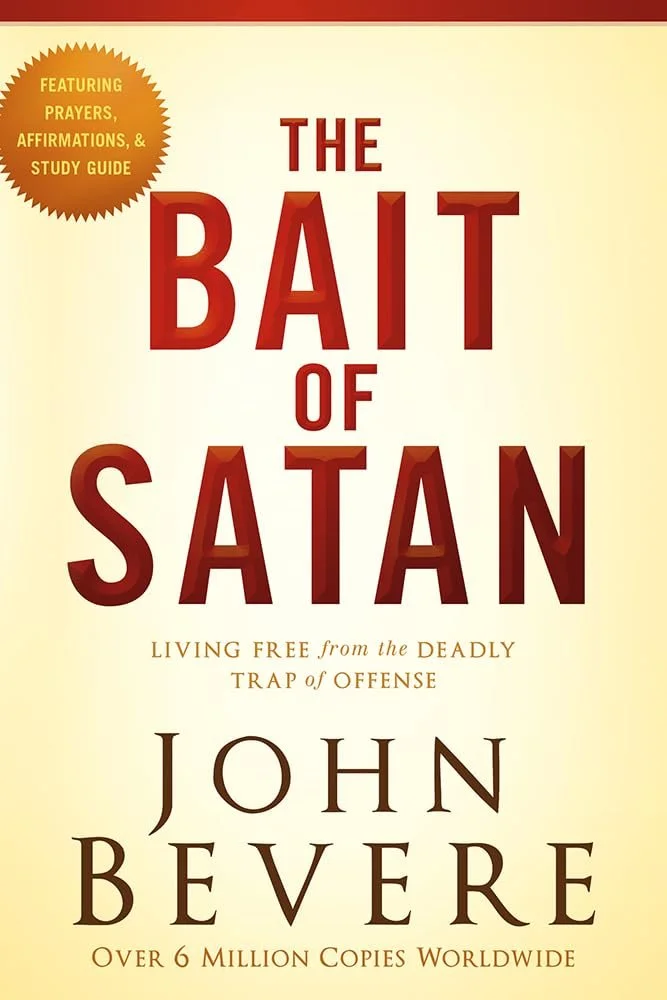

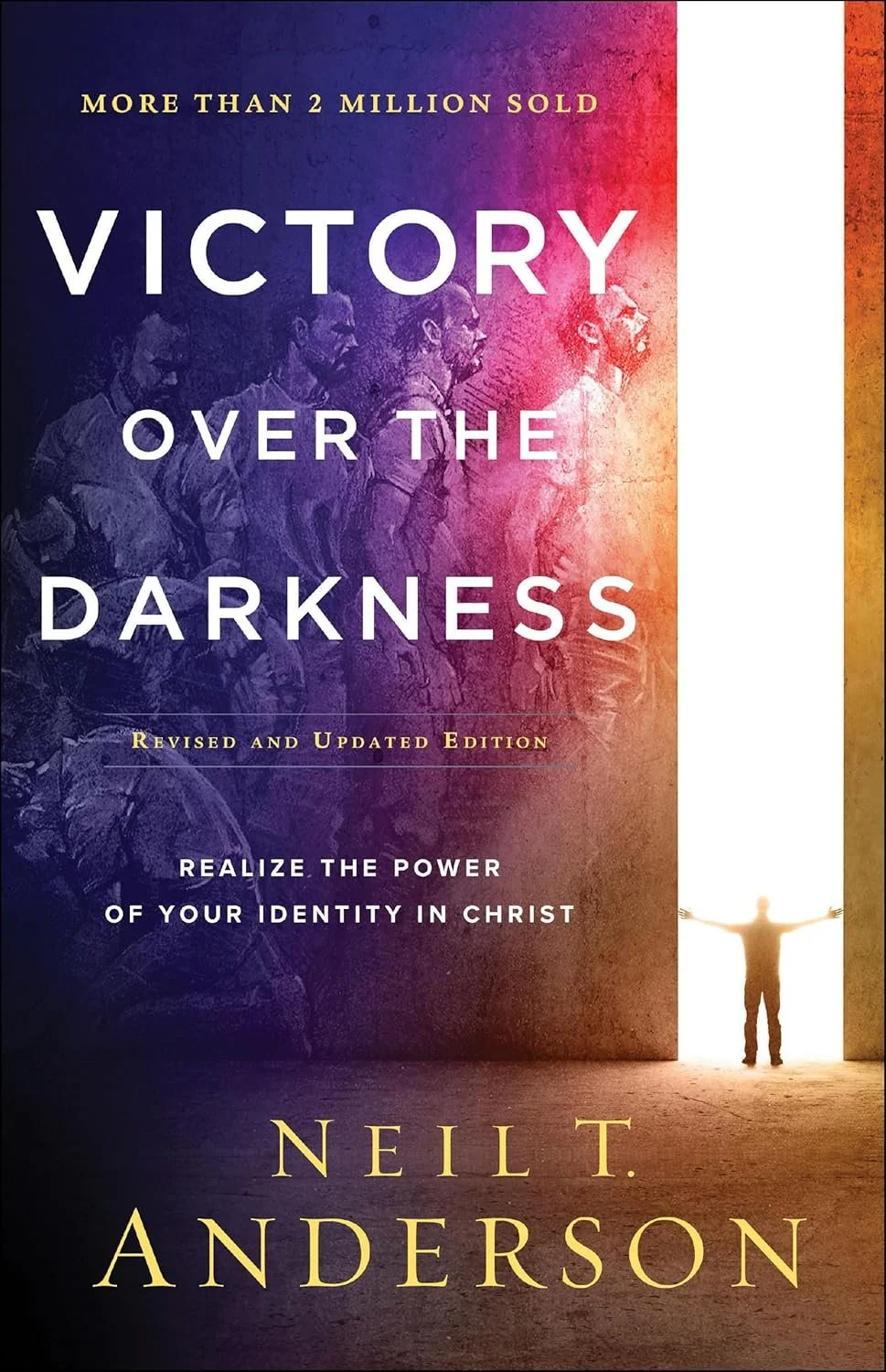
As an Amazon Associate, I earn from qualifying purchases. This page contains affiliate links. If you choose to make a purchase after clicking a link, I may receive a commission at no extra cost to you.If you need more information on God’s Plan of Salvation - Click Here
Want to help support this blog!
Order you favorite “Holy Spirit” Gear Below