

Where Does Your Compass Point? How to Let God Set Your True North

As an Amazon Associate, I earn from qualifying purchases. This page contains affiliate links. If you choose to make a purchase after clicking a link, I may receive a commission at no extra cost to you.Join Our Skool Community- >>> HERE <<< - New 7-Day Study Course Added Weekly
Want to help support this blog!
Order you favorite “Holy Spirit” Gear Below




















When I hear the question, “Where does your compass point?” I immediately picture my heart in the center of a spinning compass. Some days it seems to point toward comfort, other days toward control, success, or approval. But God gently reminds me that my compass was never meant to be ruled by my feelings or the opinions of others—it was meant to point to Him.
In this post, I want to walk with you through what it means to let God be our True North. I’ll share how I’ve wrestled with competing directions, how Scripture has realigned my heart, and how you can “reset” your compass if it’s drifted off course. My prayer is that by the end, you’ll feel encouraged, hopeful, and invited to take a practical step toward God’s direction for your life.
Everyone Lives by a Compass—
Whether We Realize It or Not
I used to think I was just “making choices” day by day. But when I look back, I see there was always a compass quietly influencing those choices.
Sometimes it pointed to people-pleasing: “What will others think?”
Sometimes to self-protection: “What will keep me from getting hurt?”
Sometimes to comfort: “What will be easiest or most enjoyable right now?”
The Bible is clear that if we’re not intentionally letting God guide us, something else will:
“There is a way that appears to be right,
but in the end it leads to death.” (Proverbs 14:12, NIV)
“The heart is deceitful above all things and beyond cure.
Who can understand it?” (Jeremiah 17:9, NIV)
My feelings are real, but they are not always reliable. Culture is loud, but it is not always truthful. Friends can be wise, but they are not infallible. If my compass is set by any of these, I will wander.
Jesus Himself described this tension:
“Enter through the narrow gate. For wide is the gate and broad is the road that leads to destruction, and many enter through it.” (Matthew 7:13, NIV)
If there is a broad road and a narrow road, I have to ask honestly: Which direction is my compass pulling me toward today?
God’s Word: The First and Surest Mark on the Compass
If I want my life to point in the right direction, I need a fixed reference point—something that doesn’t move with every cultural trend or emotional wave. That first mark on my spiritual compass is the Word of God.
“Your word is a lamp for my feet,
a light on my path.” (Psalm 119:105, NIV)
God’s Word doesn’t always show me the entire journey, but it promises to light the next step. When I’m unsure where my compass is pointing, I have to ask:
Is this choice consistent with God’s commands?
Does this direction reflect God’s character?
Does this decision move me closer to loving God and others (Matthew 22:37–39)?
Hebrews 4:12 says:
“For the word of God is alive and active. Sharper than any double-edged sword… it judges the thoughts and attitudes of the heart.” (NIV)
God’s Word doesn’t just guide my steps—it discerns my motives. It tells me when my compass is quietly drifting toward pride, fear, bitterness, or selfish ambition.
When I let Scripture correct me, I’m allowing God to reach down and gently turn my compass back toward Him.
The Holy Spirit: The Living Guide Behind the Needle
A compass needle moves because it responds to an unseen force—the earth’s magnetic field. In a similar way, my heart responds to an unseen Person: the Holy Spirit.
Jesus promised:
“But when he, the Spirit of truth, comes, he will guide you into all the truth.” (John 16:13a, NIV)
“For those who are led by the Spirit of God are the children of God.” (Romans 8:14, NIV)
The Word of God gives me the map, but the Spirit of God guides me through the moment-by-moment details:
That nudge to apologize.
That conviction to let go of a secret sin.
That gentle push to step out and serve.
That lack of peace when I’m about to say “yes” to something that looks good but isn’t best.
I’ve noticed something: when I ignore the Holy Spirit’s prompts, my inner compass starts to “wobble.” I lose clarity and peace. But when I respond with simple obedience, even in small things, His direction becomes clearer.
I have to ask myself often: Am I asking God to bless the path I’ve already chosen, or am I letting Him choose the path and then following?
How Our Compass Gets Misaligned
If my spiritual compass pointed perfectly to God all the time, life would be simpler. But Scripture—and my own life—show me how easily it can be misaligned.
Sin and compromise
Jonah knew exactly where God wanted him to go—Nineveh. But his compass pointed the opposite direction toward Tarshish (Jonah 1:1–3). His disobedience literally sent him into a storm.
When I knowingly choose what God calls sin, I am, in effect, taking my compass and forcing it in another direction. I can’t expect peace when my heart is intentionally pointed away from God.
“There is no peace,” says the Lord, “for the wicked.” (Isaiah 48:22, NIV)
Pain and disappointment
Sometimes it’s not outright rebellion—sometimes it’s heartbreak. When prayers seem unanswered, when loss hits hard, when suffering lingers, my compass can slowly turn toward cynicism or self-reliance.
The Israelites, facing hardship in the wilderness, longed to go back to Egypt (Numbers 14:3–4). They knew Egypt was bondage, but in the pain of the present, even slavery looked safer than trusting God in the unknown.
I’ve had seasons like that—when disappointment made me want to “go back” to old habits or patterns, simply because they felt familiar.
Distraction and busyness
Sometimes my compass doesn’t swing in a dramatic direction; it just quietly drifts because I’m busy, hurried, and spiritually inattentive.
Martha was serving Jesus, yet her heart was “worried and upset about many things” (Luke 10:41, NIV). Mary, on the other hand, sat at His feet, listening to His word. One sister’s compass pointed to productivity; the other’s pointed to presence.
Jesus said:
“But seek first his kingdom and his righteousness, and all these things will be given to you as well.” (Matthew 6:33, NIV)
When I don’t intentionally seek Him first, everything else starts to feel more urgent than His voice.
How God Gently Realigns Our Compass
The good news is that God doesn’t abandon us when our compass drifts. In His mercy, He moves toward us to realign our hearts.
Through repentance
Repentance isn’t just feeling bad; it’s literally a turning—a change of direction.
“Repent, then, and turn to God, so that your sins may be wiped out, that times of refreshing may come from the Lord.” (Acts 3:19, NIV)
When I confess my sin honestly and turn to God, He's not standing there with a list of all the wrong turns I’ve taken. He’s ready to refresh and restore me.
Through renewing my mind
My compass is shaped by what I think about day after day. That’s why Scripture calls me to a transformed mind:
“Do not conform to the pattern of this world, but be transformed by the renewing of your mind.
Then you will be able to test and approve what God’s will is—his good, pleasing and perfect will.”
(Romans 12:2, NIV)
As I meditate on God’s truth, false directions lose their grip:
“I am what others think” is replaced by “I am who God says I am” (1 John 3:1).
“I must control everything” is replaced by “Cast all your anxiety on him because he cares for you” (1 Peter 5:7).
“I’m on my own” is replaced by “Never will I leave you; never will I forsake you” (Hebrews 13:5).
Through wise counsel and community
God often uses other believers as “extra compass checks” in my life.
“Plans fail for lack of counsel, but with many advisers they succeed.” (Proverbs 15:22, NIV)
“And let us consider how we may spur one another on toward love and good deeds…” (Hebrews 10:24, NIV)
Sometimes a friend who loves Jesus can see that my compass is off when I cannot. Their gentle questions or honest feedback help me realign my heart with God’s truth.
Practical “Compass Check” Questions for Everyday Life
I don’t want this to stay theoretical, so here are some simple questions I’ve learned to ask myself. You can use these as a daily or weekly “compass check” with the Lord:
What am I seeking first right now?
Is it God’s kingdom (Matthew 6:33), or is it comfort, approval, money, or safety?What do my consistent choices say about my direction?
Jesus said, “Where your treasure is, there your heart will be also” (Matthew 6:21, NIV).
My calendar, bank account, and habits reveal my priorities.Where do I run when I feel stressed or afraid?
Do I run to God in prayer (Philippians 4:6–7), or do I escape into distraction, overeating, scrolling, or complaining?Is there any area where I hear God’s conviction but keep saying ‘later’?
Delayed obedience keeps my compass wavering.What direction does peace point?
God’s peace is not the absence of difficulty, but the presence of His assurance.“Let the peace of Christ rule in your hearts…” (Colossians 3:15, NIV)
I’ve learned that when I honestly bring these questions before God, He faithfully reveals where my compass really points—and then graciously invites me to turn toward Him.
Hope When Your Compass Has Pointed the Wrong Way
Maybe as you read this, you realize your compass has been pointing away from God for a long time. Maybe you feel like you’ve wandered so far that you’re not even sure how to get back.
Let me encourage you: you are not beyond God’s reach.
Think about the prodigal son in Luke 15. He didn’t just drift slightly off course—he ran headlong into rebellion, wasted his inheritance, and ended up feeding pigs. But when he “came to his senses” (Luke 15:17, NIV) and turned home, the Father ran to meet him.
“But while he was still a long way off, his father saw him and was filled with compassion for him; he ran to his son, threw his arms around him and kissed him.” (Luke 15:20, NIV)
God doesn’t wait at a distance with crossed arms. When we turn, He runs.
Peter denied Jesus three times (Luke 22:54–62), yet Jesus restored him lovingly after the resurrection (John 21:15–19) and used him mightily in the early church. Peter’s compass pointed to fear one night, but through repentance and grace, it pointed back to Jesus.
God specializes in redeeming those who were headed the wrong direction. Joel 2:25 contains a powerful promise:
“I will repay you for the years the locusts have eaten…” (NIV)
If you’ve spent years following the wrong compass, God can still redeem, restore, and repurpose your story for His glory.
Resetting Your Compass Today
If you sense the Holy Spirit tugging on your heart as you read this, you don’t have to wait for a “perfect” moment. You can reset your compass right now.
Here’s a prayer you can make your own:
“Lord, I admit that my compass has not always pointed to You. I’ve followed my feelings, fears, and the opinions of others. Today I choose to turn toward You. Forgive me for the ways I’ve walked in my own direction. Let Your Word be my map, Your Spirit my guide, and the cross my True North.
Show me the next step You want me to take, and give me courage to obey. In Jesus’ name, Amen.”
God delights to answer that kind of prayer. He’s not just interested in pointing you to a “better path”; He wants to walk that path with you.
“In all your ways submit to him, and he will make your paths straight.” (Proverbs 3:6, NIV)
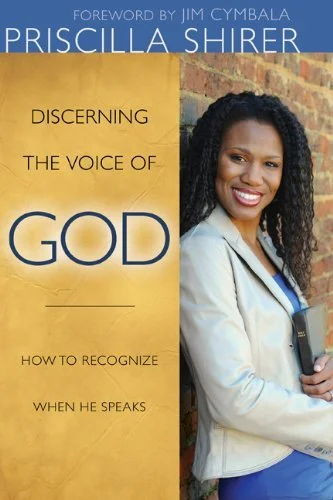
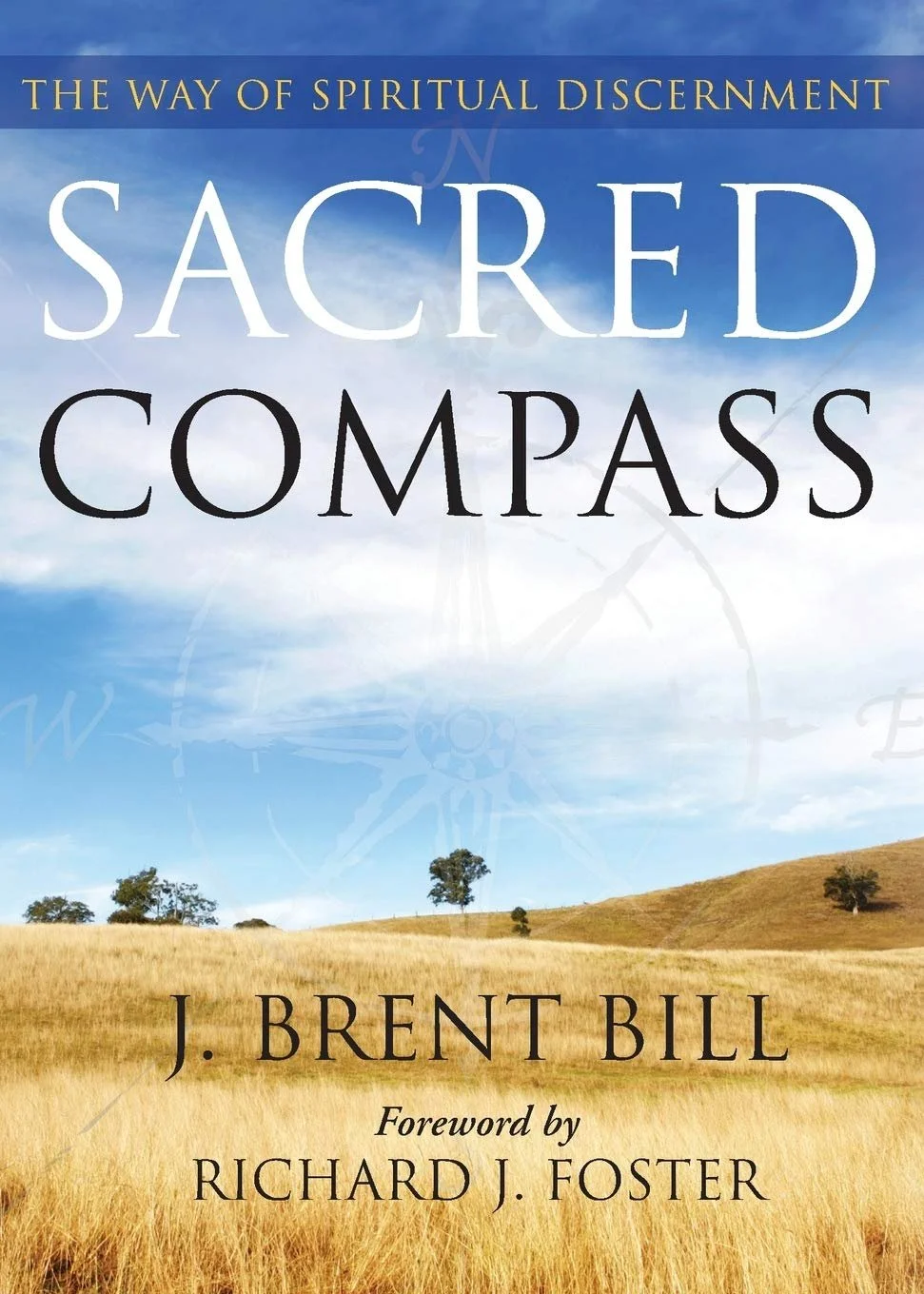
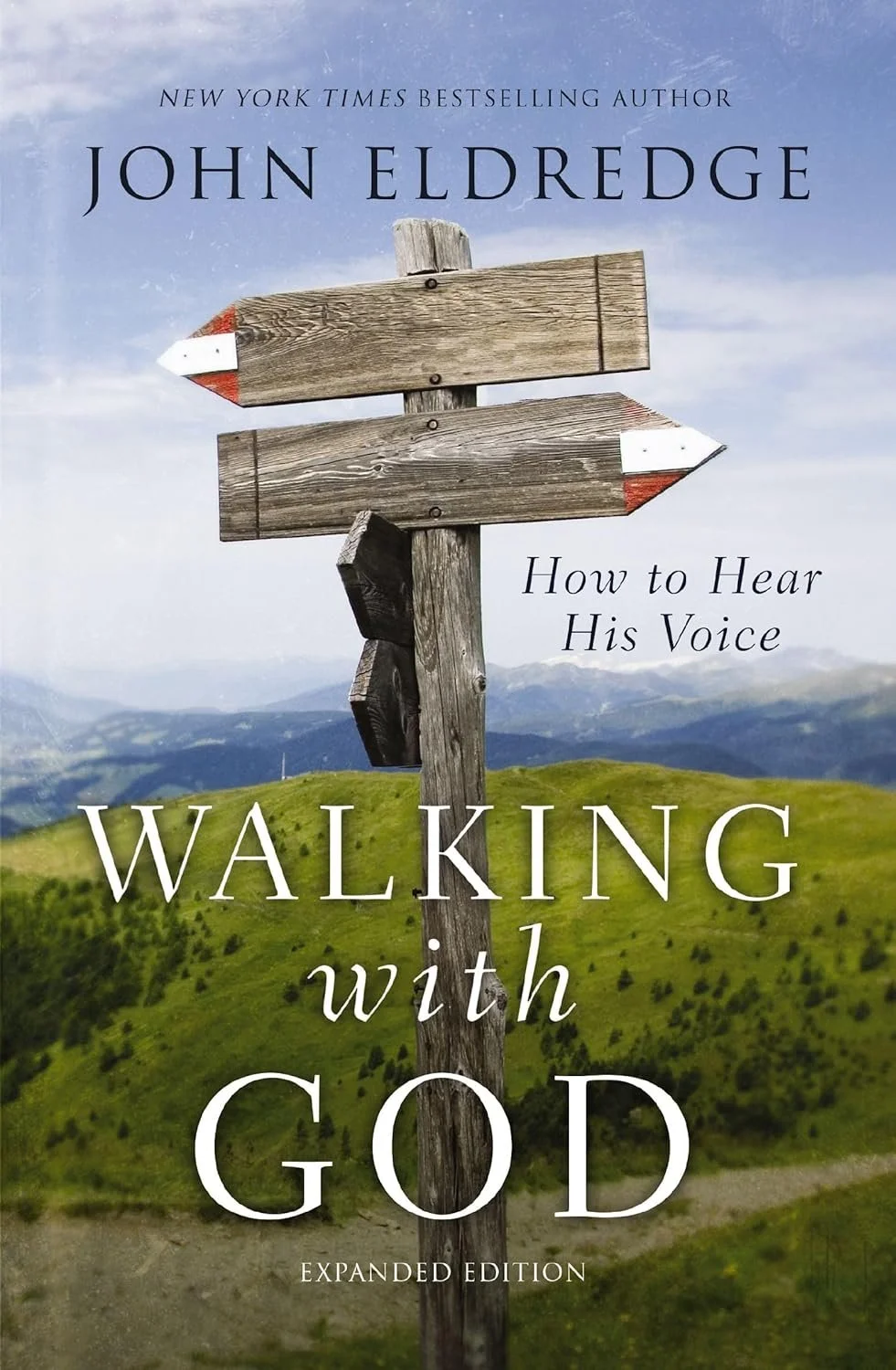
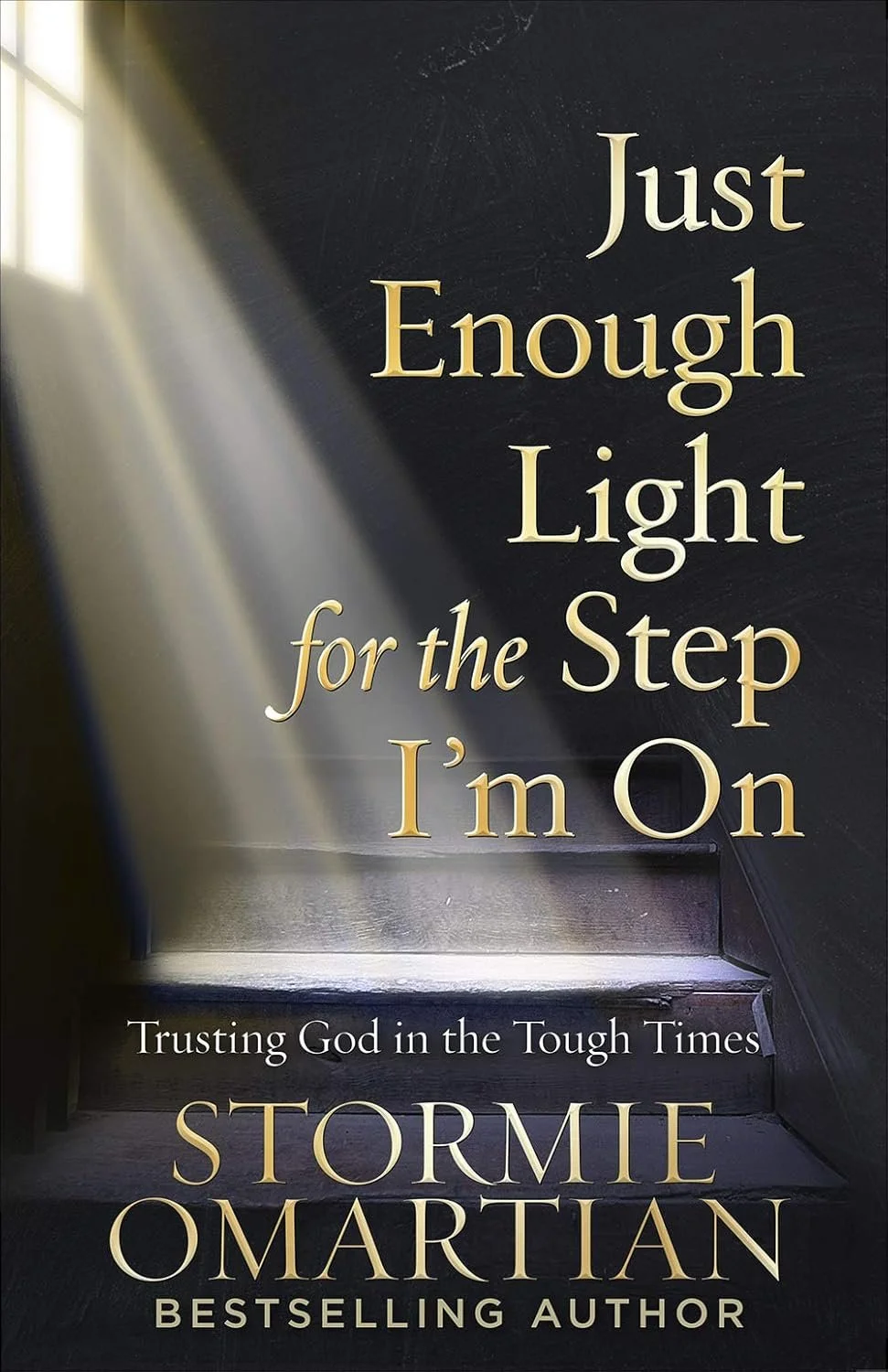
Recommended Books to Further Study the Subject
A Personal Call to Action:
Which Way Is Your Compass Pointing?
I want to leave you with a gentle but real challenge—one I’m also taking myself.
This week, ask—and answer—three questions before God:
What is the true North of my life right now?
Not what I say, but what my choices reveal.What is one area where I clearly know God’s direction but haven’t followed it yet?
It might be forgiving someone, stepping out to serve, turning from a hidden sin, or spending daily time in His Word.What one step of obedience can I take in the next 24 hours to realign my compass with God?
Write it down. Pray over it. Tell a trusted friend or mentor. Then take that step.
God rarely shows us the entire journey. But He promises enough light for the next step, enough grace for the next decision, and enough love to hold us when we feel unsure.
Your compass doesn’t have to keep spinning. In Christ, you have a sure and steady True North.
