A Little Leaven: How Small Compromise Can Change the Whole Heart

Join Our Skool Community- >>> HERE <<< - New 7-Day Study Course Added Weekly
There are some phrases in the Bible that feel small when we first read them, but the longer we sit with them, the more they begin to search us. “A little leaven leavens the whole lump” is one of those phrases.
It is short. It is simple. It comes from everyday life. But it carries a spiritual warning we cannot afford to ignore.
Paul writes in Galatians 5:9, “A little leaven leaveneth the whole lump.”
He says something very similar in 1 Corinthians 5:6: “Your glorying is not good. Know ye not that a little leaven leaveneth the whole lump?”
In both places, Paul is warning believers that something small can spread farther than they think. A small compromise. A little false teaching. A hidden sin. A tolerated attitude. A private bitterness. A quiet rebellion. A little spiritual drift.
At first, it may seem harmless. It may even seem too small to matter. But leaven does not stay in one corner of the dough. Once it is mixed in, it works its way through the whole lump.
That is the warning.
But there is also another side to this picture. Leaven can represent influence for good as well. Jesus used leaven to describe the kingdom of heaven.
“Another parable spake he unto them; The kingdom of heaven is like unto leaven, which a woman took, and hid in three measures of meal, till the whole was leavened.” Matthew 13:33
So the same image can teach us two powerful truths: what is hidden can spread, and what is small can grow. That can be dangerous when the hidden thing is sin, pride, deception, or false doctrine. But it can be beautiful when the hidden thing is faith, obedience, truth, prayer, love, and the quiet work of God in a surrendered heart.
The question is not whether something is influencing us. The question is what is influencing us.
What Is Leaven in the Bible?
Leaven is most simply understood as a substance used to make dough rise. In our modern kitchens, we might think of yeast. A small amount is placed into the dough, and then it begins to spread. It changes the texture, shape, and nature of the whole loaf.
That is why the Bible often uses leaven as a symbol of influence.
Sometimes it represents corruption, sin, pride, or false teaching. Other times, as in the parable Jesus told, it represents the quiet but powerful spread of God’s kingdom.
That means leaven itself is not always “bad” in every biblical picture. The meaning depends on the context.
When Paul says, “A little leaven leaveneth the whole lump,” he is using it as a warning. He is telling believers not to treat small spiritual problems as though they cannot become large ones.
In Galatians, the issue was false teaching. Some were adding works of the law to the gospel of grace. They were making it seem as though faith in Jesus was not enough, and that believers had to add certain religious requirements in order to be truly accepted by God.
Paul was not casual about this. He knew that a small distortion of the gospel could eventually change the whole message.
“Stand fast therefore in the liberty wherewith Christ hath made us free, and be not entangled again with the yoke of bondage.” Galatians 5:1
The gospel is not Jesus plus our performance. It is not Jesus plus human approval. It is not Jesus plus religious pride. It is salvation by grace through faith in Christ.
A little false teaching, if tolerated, can leaven the whole lump.
In 1 Corinthians, the issue was sin inside the church that was being tolerated instead of grieved over. Paul’s concern was not only that sin existed, but that the people had grown proud, casual, and comfortable with it.
“Your glorying is not good. Know ye not that a little leaven leaveneth the whole lump?” 1 Corinthians 5:6
That is sobering. Sometimes the danger is not just the sin itself. The danger is when we stop being troubled by it.
Small Compromise Rarely Looks Dangerous at First
One of the reasons leaven is such a powerful picture is because it starts small.
Compromise does not usually begin with a dramatic fall. It usually begins with a quiet excuse.
“It is not that big of a deal.”
“I can handle it.”
“Everyone else is doing it.”
“It is only this once.”
“At least I am not as bad as someone else.”
“I deserve this.”
“God will understand.”
And yes, God is merciful. He is patient. He is compassionate. But His mercy is never an invitation to make peace with sin. His grace does not excuse sin; it rescues us from it.
“What shall we say then? Shall we continue in sin, that grace may abound? God forbid.” Romans 6:1-2
Small compromise becomes dangerous because it changes our spiritual sensitivity. What once convicted us begins to feel normal. What once made us uneasy begins to feel acceptable. What once seemed clearly wrong now seems complicated, justifiable, or even harmless.
That is how leaven works.
It does not announce itself with a trumpet. It spreads quietly.
A little bitterness can turn into a hard heart.
A little envy can turn into resentment.
A little pride can turn into spiritual blindness.
A little lust can turn into bondage.
A little dishonesty can turn into a lifestyle of hiding.
A little false doctrine can turn into a distorted view of God.
A little fear can turn into a life of disobedience.
A little unforgiveness can poison an entire family, church, friendship, or ministry.
This is why Scripture tells us to guard the heart.
“Keep thy heart with all diligence; for out of it are the issues of life.” Proverbs 4:23
The heart is not a storage closet where we can shove things and assume they will stay hidden. The heart is more like soil. Whatever is planted there will eventually grow.
False Teaching Is Leaven Too
When Paul used this phrase in Galatians, he was not mainly talking about immoral behavior. He was talking about false teaching.
That matters because many believers are alert to obvious sin but less alert to subtle deception.
False teaching does not always come dressed like rebellion. Sometimes it sounds spiritual. Sometimes it uses Bible words. Sometimes it quotes Scripture but twists the meaning. Sometimes it appeals to pride by making us feel more enlightened, more special, or more spiritually advanced than others.
That was part of the danger in Galatia. The false teachers were not saying, “Reject Jesus completely.” They were saying, in effect, “Jesus is good, but you need more.”
That is still one of the most dangerous lies today.
Jesus plus legalism.
Jesus plus worldly success.
Jesus plus self-help as Savior.
Jesus plus human tradition.
Jesus plus secret knowledge.
Jesus plus our own righteousness.
But the true gospel does not need our additions. Jesus is not a partial Savior. He is not the beginning of salvation while we become the finishers of it.
“For by grace are ye saved through faith; and that not of yourselves: it is the gift of God.” Ephesians 2:8
A little leaven in doctrine can change the way we see God. Then it changes the way we see ourselves. Then it changes the way we live.
If I believe God only loves me when I perform well, I will live in fear instead of freedom.
If I believe grace gives me permission to sin, I will mistake mercy for license.
If I believe truth is whatever I want it to be, I will slowly stop submitting to God’s Word.
If I believe Jesus is not enough, I will spend my life trying to finish what He already completed.
That is why doctrine matters. Truth protects the heart.
Hidden Sin Does Not Stay Hidden Forever
In 1 Corinthians 5, Paul confronts the church because they had tolerated serious sin among them. Instead of mourning over it, they were puffed up.
That phrase “puffed up” is interesting because leaven puffs up dough. Pride puffs up people.
Sin and pride often work together. Sin says, “I want this.” Pride says, “I have the right to keep it.” Sin hides. Pride defends. Sin compromises. Pride excuses.
But hidden sin never remains as contained as we think it will.
“Be sure your sin will find you out.” Numbers 32:23
That does not mean every sin will be publicly exposed in the same way. It means sin always produces consequences. It changes our fellowship with God. It affects our peace. It shapes our choices. It influences our relationships. It dulls our discernment.
David tried to hide his sin with Bathsheba, but the leaven of that hidden sin spread through his life and household. What began with a look became adultery. What became adultery became deception. What became deception became murder. What became murder brought grief into his family for years.
That is how small compromise grows when it is not brought into the light.
But David’s story also shows us the mercy of God when sin is confessed.
“Create in me a clean heart, O God; and renew a right spirit within me.” Psalm 51:10
God does not expose sin because He enjoys shaming His children. He brings sin into the light because darkness is where it grows. Confession is not punishment. Confession is the doorway to cleansing.
“If we confess our sins, he is faithful and just to forgive us our sins, and to cleanse us from all unrighteousness.” 1 John 1:9
That is such good news. The answer to leaven is not pretending. It is not hiding. It is not managing our image. The answer is bringing our hearts honestly before God.
Leaven Can Work for Good Too
While Paul uses leaven as a warning, Jesus also used leaven as a picture of the kingdom.
“The kingdom of heaven is like unto leaven… till the whole was leavened.” Matthew 13:33
This is where the image becomes both convicting and encouraging.
The principle is the same: small things spread.
That means small compromises can change a heart for the worse, but small acts of obedience can change a heart for the better.
A little daily prayer can soften a hard season.
A little Scripture each morning can renew the mind.
A little gratitude can push back against complaining.
A little forgiveness can begin healing what bitterness tried to destroy.
A little obedience can open the door to deeper surrender.
A little faith can grow stronger as it is exercised.
A little kindness can change the atmosphere of a home.
A little truth spoken in love can interrupt deception.
We often underestimate the power of small faithfulness.
We think if something is not dramatic, it is not important. But the kingdom of God often works quietly before it becomes visible.
A seed is small before it becomes a tree. Leaven is hidden before it changes the dough. A baby in a manger looked small to the world, but heaven knew the Savior had come.
God is not intimidated by small beginnings.
“For who hath despised the day of small things?” Zechariah 4:10
Sometimes we want a whole-life transformation, but God begins with one surrendered area. One honest prayer. One act of repentance. One step of obedience. One decision to forgive. One refusal to compromise. One choice to open the Bible instead of feeding fear. One moment of saying, “Lord, not my will, but Yours.”
That kind of leaven is holy. It spreads too.
What Are We Allowing to Work Through Us?
This phrase makes me ask a hard but necessary question: what kind of leaven am I allowing into my life?
Because something is always shaping me.
The music I listen to shapes me.
The voices I trust shape me.
The books I read shape me.
The entertainment I consume shapes me.
The friendships I nurture shape me.
The grudges I hold shape me.
The thoughts I rehearse shape me.
The doctrine I believe shapes me.
The prayers I pray shape me.
The Word I obey shapes me.
None of us are as unaffected as we like to think. We are always being formed by something.
That does not mean we live in fear of everything. It means we live awake. We live discerning. We pay attention to what is working its way into our hearts.
“Be not deceived: evil communications corrupt good manners.” 1 Corinthians 15:33
This does not mean we isolate ourselves from every unbeliever or avoid everyone who struggles. Jesus ate with sinners, touched the unclean, and moved toward broken people with compassion. But Jesus was never influenced by sin. He brought holiness into dark places; He did not let darkness redefine holiness.
That is the difference.
We are called to be salt and light, but we must also be watchful that the world’s leaven does not quietly reshape our convictions.
“Ye are the light of the world. A city that is set on an hill cannot be hid.” Matthew 5:14
Light influences darkness. But if we cover the light, dim the truth, or compromise the flame, we lose the very witness God gave us.
The Leaven of the Pharisees
Jesus Himself warned about a certain kind of leaven.
“Then Jesus said unto them, Take heed and beware of the leaven of the Pharisees and of the Sadducees.” Matthew 16:6
The disciples first thought He was talking about literal bread, but Jesus was warning them about doctrine.
“Then understood they how that he bade them not beware of the leaven of bread, but of the doctrine of the Pharisees and of the Sadducees.” Matthew 16:12
In Luke, Jesus connects the leaven of the Pharisees with hypocrisy.
“Beware ye of the leaven of the Pharisees, which is hypocrisy.” Luke 12:1
That is another kind of leaven we need to take seriously.
Hypocrisy spreads. Religious pride spreads. Performing holiness while hiding sin spreads. Looking spiritual while refusing surrender spreads.
And if we are honest, this warning can hit close to home.
It is possible to look faithful on the outside while drifting on the inside. It is possible to say the right words while harboring the wrong heart. It is possible to serve publicly while growing cold privately.
That does not mean every struggling believer is a hypocrite. Struggling is not hypocrisy. Weakness is not hypocrisy. Temptation is not hypocrisy. Hypocrisy is pretending to be surrendered while refusing to be honest with God.
The cure is not perfection. The cure is humility.
“God resisteth the proud, but giveth grace unto the humble.” James 4:6
A humble heart can be corrected. A humble heart can repent. A humble heart can receive grace. A humble heart does not have to hide behind image management.
Cleaning Out the Old Leaven
In 1 Corinthians 5, Paul goes on to say:
“Purge out therefore the old leaven, that ye may be a new lump, as ye are unleavened.” 1 Corinthians 5:7
That word “purge” is strong. It means we are not supposed to simply decorate around sin. We are not supposed to rename it, excuse it, or make room for it. We are called to remove what God says is corrupting us.
This connects beautifully to Passover, when Israel removed leaven from their homes. The Passover pointed to deliverance from Egypt, but it also pointed forward to Jesus, the Lamb of God.
“For even Christ our passover is sacrificed for us.” 1 Corinthians 5:7
Jesus did not die so we could stay enslaved. He died to set us free.
That freedom is not just freedom from the penalty of sin. It is also freedom from the power of sin. We do not remove old leaven to earn salvation. We remove it because we have been made new in Christ.
There is a big difference.
Legalism says, “Clean yourself up so God will accept you.”
The gospel says, “Because Christ has accepted you, let Him cleanse what no longer belongs in you.”
That is grace.
“Therefore if any man be in Christ, he is a new creature: old things are passed away; behold, all things are become new.” 2 Corinthians 5:17
We do not have to remain the same lump we used to be. God can make us new.
When Good Leaven Begins to Spread
I love that Jesus used leaven to describe the kingdom because it reminds me that God often works beneath the surface before the change is visible.
We may not see immediate transformation in our homes, marriages, ministries, churches, or personal lives. But that does not mean God is not working.
A mother praying over her children may feel unseen, but her prayers are leavening the atmosphere of her home.
A believer choosing forgiveness instead of bitterness may feel weak, but that obedience is spreading freedom through the heart.
A person opening Scripture every morning may not feel dramatically different after one day, but the Word is working.
“So then faith cometh by hearing, and hearing by the word of God.” Romans 10:17
A church that holds firmly to truth in a confused culture may seem small, but faithfulness spreads.
A simple act of kindness done in Jesus’ name may become the very thing that opens someone’s heart to the gospel.
Small holy things matter.
The enemy loves to use small compromise because he knows it spreads. But God also loves to use small obedience because He knows it grows.
We must not underestimate either one.
The Heart Is Changed by What It Receives
Leaven works because it is received into the dough. It is mixed in. It becomes part of the lump.
Spiritually, this reminds me to ask: what have I received into my heart that is now working through me?
Have I received fear as truth?
Have I received bitterness as protection?
Have I received offense as identity?
Have I received false teaching as wisdom?
Have I received compromise as freedom?
Or have I received God’s Word as authority?
Have I received grace as my foundation?
Have I received correction as mercy?
Have I received obedience as worship?
Have I received Christ as Lord over every part of my life?
The heart will eventually reveal what has been hidden in it.
Jesus said:
“A good man out of the good treasure of the heart bringeth forth good things: and an evil man out of the evil treasure bringeth forth evil things.” Matthew 12:35
What is stored inside will eventually come out.
That is why we cannot only focus on behavior. Behavior matters, but behavior flows from the heart. If the heart is being leavened by pride, lust, anger, fear, or deception, it will eventually show up in our words, choices, reactions, and relationships.
But if the heart is being leavened by truth, humility, grace, and the Spirit of God, that will eventually show too.
A Little Compromise Can Change the Whole Direction
One of the clearest examples of small compromise turning into great destruction is found in the life of Solomon.
Solomon began with wisdom. He built the temple. He had seen God’s faithfulness. He had received so much. But over time, his heart was turned away.
“For it came to pass, when Solomon was old, that his wives turned away his heart after other gods.” 1 Kings 11:4
This did not happen overnight. It was leaven. Small allowances. Small disobediences. Small justifications. Over time, what he permitted began to direct him.
That is why we cannot treat compromise like a pet we can keep under control. Sin does not want to visit. It wants to rule.
Cain was warned before he killed Abel.
“If thou doest well, shalt thou not be accepted? and if thou doest not well, sin lieth at the door.” Genesis 4:7
Sin was crouching. Waiting. Desiring mastery.
That is still how sin works. It waits at the door of offense, disappointment, loneliness, pride, exhaustion, and desire. It offers relief, revenge, pleasure, control, or escape. But once it enters, it spreads.
This is not meant to make us hopeless. It is meant to make us watchful.
“Watch and pray, that ye enter not into temptation: the spirit indeed is willing, but the flesh is weak.” Matthew 26:41
Jesus did not say this because He wanted His disciples to live paranoid lives. He said it because He knew they needed spiritual alertness.
So do we.
A Little Faithfulness Can Change the Whole Direction Too
Just as compromise can change a life slowly, faithfulness can change a life slowly too.
Daniel’s life is a beautiful example of good leaven. Long before he stood in the lions’ den, he made a private decision not to defile himself.
“But Daniel purposed in his heart that he would not defile himself…” Daniel 1:8
That one decision mattered. It shaped the kind of man Daniel became. His private conviction became public courage.
By the time he faced the lions’ den, prayer was not a last-minute emergency plan. It was already his way of life.
“He kneeled upon his knees three times a day, and prayed, and gave thanks before his God, as he did aforetime.” Daniel 6:10
That phrase “as he did aforetime” is powerful. Daniel’s faithfulness had already been leavening his life for years.
We often want lions’ den courage without daily prayer faithfulness. But courage grows in the small places before it is tested in the big places.
The same is true for us.
The small habit of prayer matters.
The small choice to tell the truth matters.
The small decision to forgive matters.
The small refusal to gossip matters.
The small act of worship when no one sees matters.
The small step of obedience matters.
God can use small surrendered things to reshape an entire life.
Ask God to Search the Lump
This phrase, “a little leaven leavens the whole lump,” should not only make us look around at culture, churches, or other people. It should make us kneel before God and ask Him to search us.
“Search me, O God, and know my heart: try me, and know my thoughts.” Psalm 139:23
That is a brave prayer.
It is much easier to ask God to search someone else. It is easier to see the leaven in another person’s attitude, doctrine, choices, or compromise. But spiritual maturity begins when we say, “Lord, start with me.”
Is there any hidden bitterness in me?
Is there any compromise I have been excusing?
Is there any false belief I have accepted?
Is there any pride I have dressed up as conviction?
Is there any fear I have mistaken for wisdom?
Is there any sin I have allowed to remain because I think it is too small to matter?
Is there any good thing You are trying to plant in me that I have neglected because it seems too small to make a difference?
That last question matters too.
Sometimes repentance means removing the bad leaven. But sometimes obedience means welcoming the good leaven.
Maybe God is calling us to remove bitterness and add forgiveness.
Remove fear and add trust.
Remove false teaching and add truth.
Remove secret sin and add confession.
Remove spiritual laziness and add discipline.
Remove pride and add humility.
Remove complaining and add gratitude.
Remove distraction and add devotion.
God does not empty us just to leave us empty. He cleanses us so He can fill us.
Jesus Changes the Whole Heart
The most beautiful part of this whole picture is that Jesus does not only deal with surface behavior. He changes the heart.
Religion can polish the outside. Jesus transforms the inside.
Self-effort may temporarily control the outside. The Spirit of God renews the inside.
When Jesus saves us, He does not simply add a little improvement to our old life. He makes us new.
“A new heart also will I give you, and a new spirit will I put within you…” Ezekiel 36:26
That promise is fulfilled through the work of God. He gives us what we could never produce on our own: a new heart, a new spirit, a new nature, a new life.
This is why the good leaven of the kingdom is so powerful. When Christ is working in us, He does not leave one corner untouched forever. He keeps spreading His truth, His grace, His conviction, His healing, and His holiness through every part of us.
He wants our thoughts.
He wants our desires.
He wants our habits.
He wants our relationships.
He wants our words.
He wants our secret places.
He wants our wounds.
He wants our plans.
He wants the whole lump.
Not because He is cruel, but because He is Lord. And because everything surrendered to Him becomes safer, cleaner, freer, and more fruitful in His hands.
A Little Leaven Still Matters Today
This biblical saying is just as relevant today as it was when Paul wrote it.
We live in a world that often celebrates compromise and calls it freedom. We live in a culture where false teaching can spread quickly, especially when it is attractive, emotional, or popular. We live in a time when hidden sin can be easier to access and easier to justify than ever before.
But we also live in a time when small acts of faithfulness can shine brightly.
A little truth can cut through confusion.
A little courage can strengthen someone else.
A little prayer can change the atmosphere.
A little obedience can redirect a family line.
A little Scripture can renew a weary mind.
A little repentance can begin revival in the heart.
So we should take both sides seriously.
A little compromise can change the whole heart for the worse.
A little surrender can change the whole heart for the better.
The question is: which leaven are we allowing to work in us?
Final Encouragement
When Paul said, “A little leaven leaveneth the whole lump,” he was giving a warning, but he was also giving us wisdom. Small things are not always small. Hidden things do not always stay hidden. Quiet influences are still influences.
So let us be careful with compromise. Let us be watchful over doctrine. Let us be honest about sin. Let us stop excusing what God is asking us to remove.
But let us also be encouraged. The small obedient things matter too.
The prayer whispered in weakness matters.
The verse read with a tired mind matters.
The apology offered in humility matters.
The temptation resisted in secret matters.
The forgiveness chosen through tears matters.
The truth held onto when culture shifts matters.
The small seed of faith matters.
The little leaven of the kingdom still works.
And when Jesus is the One changing the heart, He knows exactly how to work His grace through the whole lump.
“Being confident of this very thing, that he which hath begun a good work in you will perform it until the day of Jesus Christ.” Philippians 1:6
👉 Join the 7-Day Course on Skool
Recommended Books to Further Study the Subject
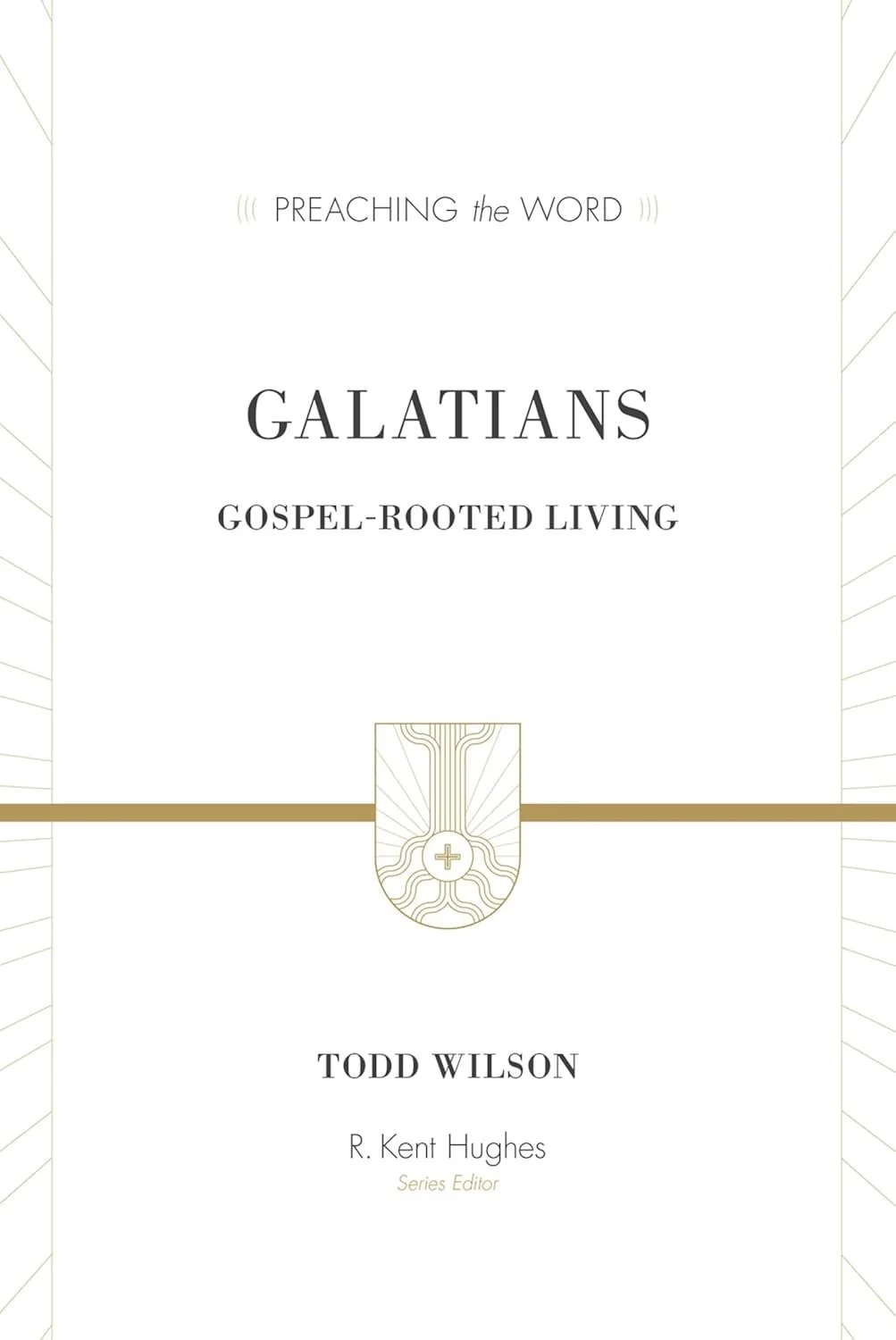
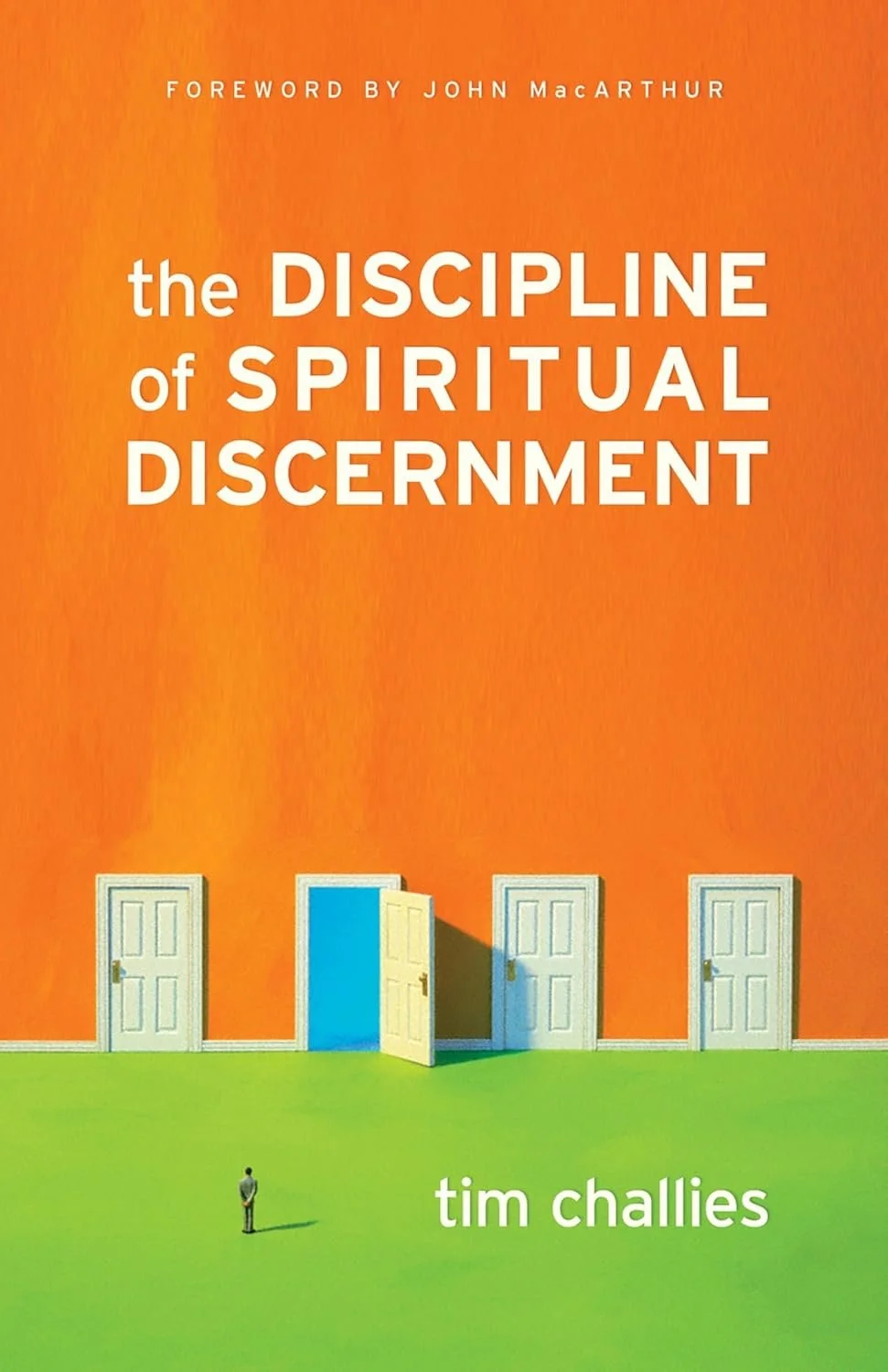
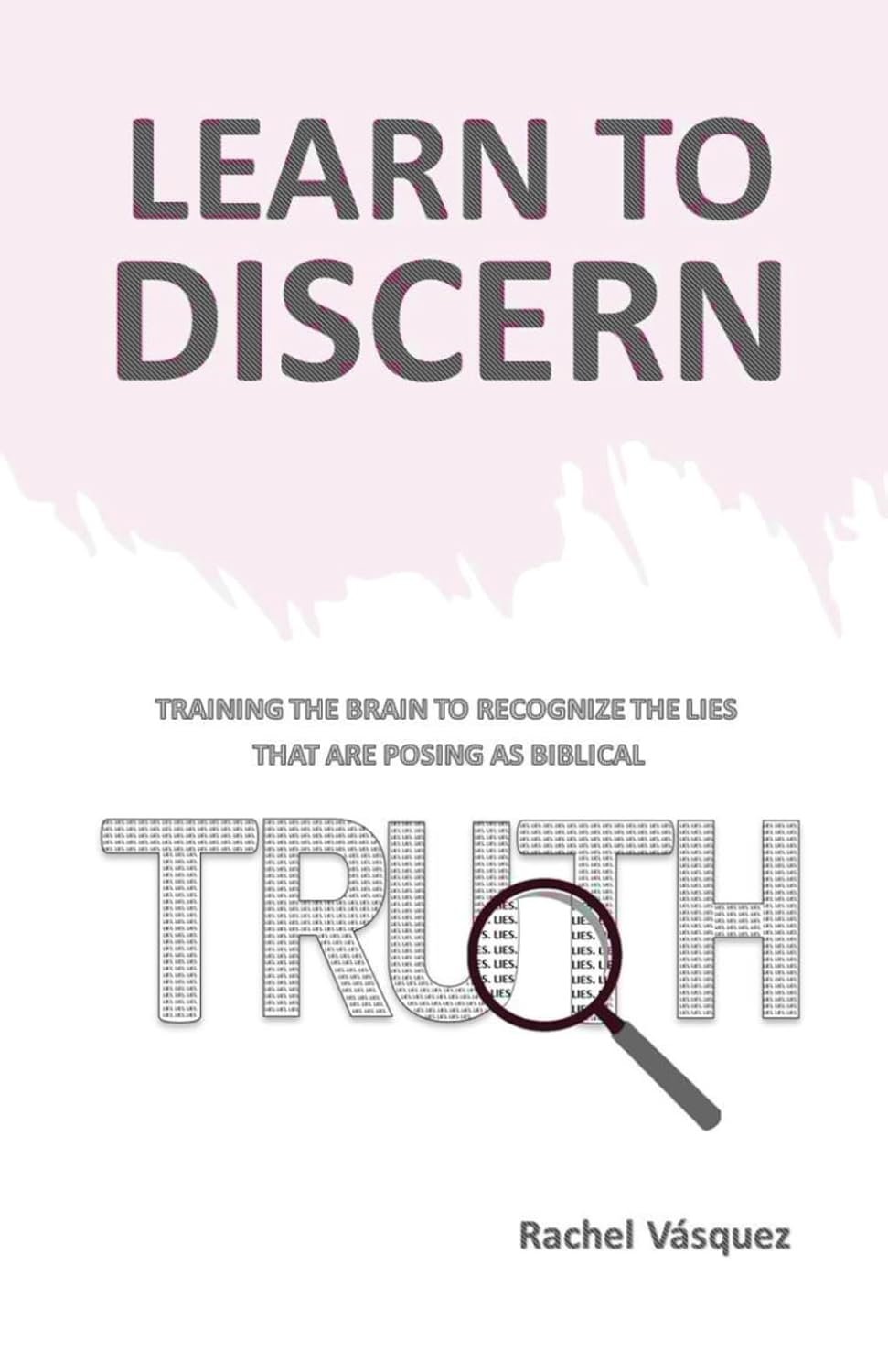

As an Amazon Associate, I earn from qualifying purchases. This page contains affiliate links. If you choose to make a purchase after clicking a link, I may receive a commission at no extra cost to you.If you need more information on God’s Plan of Salvation - Click Here
Want to help support this blog!
Order you favorite “Holy Spirit” Gear Below