Wolves in Sheep’s Clothing: What Jesus Warned Us About and Why It Still Matters Today

Join Our Skool Community- >>> HERE <<< - New 7-Day Study Course Added Weekly
Yes, the saying “wolves in sheep’s clothing” is in the Bible. Jesus used this warning in Matthew 7:15 when He said:
“Beware of false prophets, which come to you in sheep’s clothing, but inwardly they are ravening wolves.” — Matthew 7:15
That is a strong warning. Jesus did not say, “Be mildly cautious.” He said, “Beware.” That means we are supposed to pay attention. We are supposed to use discernment. We are supposed to understand that not everything that looks gentle, spiritual, helpful, or harmless is actually from God.
A wolf in sheep’s clothing is someone or something that appears innocent, godly, loving, or trustworthy on the outside but carries danger, deception, selfish motives, or destruction underneath. In Jesus’ warning, the wolf is not obvious at first glance. That is the whole point. If the wolf looked like a wolf, the sheep would run. But when the wolf dresses like a sheep, it gets close enough to harm the flock.
That is why this warning still matters so much today.
We live in a world full of voices. Some sound spiritual. Some quote Scripture. Some speak with confidence. Some wear religious language like a garment. Some seem loving, wise, or inspiring at first. But Jesus told us not to judge only by appearance. He told us to look deeper.
“Ye shall know them by their fruits. Do men gather grapes of thorns, or figs of thistles?” — Matthew 7:16
Jesus gave us the test: fruit.
Not charisma. Not popularity. Not religious vocabulary. Not emotional speeches. Not large crowds. Not impressive platforms. Not even outward kindness by itself.
Fruit.
What Does “Wolves in Sheep’s Clothing” Mean?
When Jesus spoke of wolves in sheep’s clothing, He was warning His followers about false prophets and spiritual deceivers. These are people who may appear to belong to God’s flock, but inwardly they are dangerous to the sheep.
Sheep are often used in Scripture to represent God’s people. Jesus is the Good Shepherd, and we are His sheep.
“I am the good shepherd: the good shepherd giveth his life for the sheep.” — John 10:11
A shepherd protects, feeds, leads, and sacrifices for the sheep. A wolf does the opposite. A wolf scatters, devours, frightens, and destroys.
Jesus described the difference clearly:
“The thief cometh not, but for to steal, and to kill, and to destroy: I am come that they might have life, and that they might have it more abundantly.” — John 10:10
A wolf may use soft words, but the result of his presence is harm. A wolf may pretend to care, but his fruit reveals destruction. A wolf may even speak in religious terms, but his goal is not to lead people closer to Christ. His goal is control, gain, pride, influence, division, or deception.
That is a sobering thought, because it means spiritual danger does not always come with a warning label. Sometimes it comes wrapped in charm. Sometimes it comes dressed in religious language. Sometimes it comes through a person who knows how to say all the right things while quietly leading hearts away from truth.
Jesus Warned Us Because He Loves the Sheep
Jesus did not give this warning to make us suspicious of everyone. He gave it because He loves us. He knows how vulnerable sheep can be when they are not alert. He knows that His people can be kind, trusting, forgiving, and eager to believe the best. Those are beautiful qualities, but without discernment, they can also make us easy targets.
God does not call us to be gullible. He calls us to be wise.
“Behold, I send you forth as sheep in the midst of wolves: be ye therefore wise as serpents, and harmless as doves.” — Matthew 10:16
That verse is so important. Jesus did not say we should become wolves ourselves. He did not say we should become hard, cruel, suspicious, or cynical. He said to be wise and harmless. Wisdom protects us from deception, while gentleness keeps our hearts from becoming bitter.
Discernment is not the same as judgmentalism. Discernment is spiritual wisdom that helps us recognize what is from God and what is not. Judgmentalism is prideful criticism. Discernment protects. Judgmentalism condemns. Discernment is rooted in truth and love. Judgmentalism is rooted in arrogance.
God wants His children to have discernment because deception is real.
“Beloved, believe not every spirit, but try the spirits whether they are of God: because many false prophets are gone out into the world.” — 1 John 4:1
Notice that Scripture says not to believe every spirit. That means not every message, movement, teacher, influence, or spiritual-sounding idea should be accepted just because it feels good or sounds encouraging. We are told to test it.
The First Wolf-Like Deception in the Garden
One of the earliest pictures of deception in the Bible appears in the Garden of Eden. Satan came to Eve through the serpent, not with obvious violence, but with subtle questioning.
“Yea, hath God said, Ye shall not eat of every tree of the garden?” — Genesis 3:1
That is often how deception begins. It questions God’s Word. It twists God’s command. It suggests that God is withholding something good. It makes disobedience look reasonable.
The serpent did not show up looking like destruction. He showed up sounding like an alternative voice. He did not begin by saying, “I want to ruin everything God created.” He began by creating doubt.
That is still one of the enemy’s oldest strategies. He does not always try to drag people away from God in one obvious leap. Sometimes he simply gets them to question God’s goodness, reinterpret God’s Word, excuse sin, or believe that obedience is unnecessary.
A wolf in sheep’s clothing often works the same way. The message may sound compassionate, modern, freeing, or enlightened, but underneath it may be leading people away from God’s truth.
Balaam: A Prophet with a Divided Heart
Balaam is another powerful example. On the surface, Balaam seemed spiritual. He heard from God. He spoke blessings over Israel. But his heart was drawn toward reward and compromise.
Balak, the king of Moab, wanted Balaam to curse Israel. Balaam could not curse what God had blessed, but later Scripture shows us that Balaam’s influence still helped lead Israel into sin.
“Which have forsaken the right way, and are gone astray, following the way of Balaam… who loved the wages of unrighteousness.” — 2 Peter 2:15
Balaam is a warning that spiritual gifting does not always equal spiritual faithfulness. A person can know religious language, have influence, or even speak true things at times, yet still have a heart motivated by greed, attention, or compromise.
That is why fruit matters.
The danger of Balaam was not only in what he said. It was in what he loved. He loved the wages of unrighteousness. His heart was not fully surrendered to God.
Today, this can still happen when someone uses ministry, influence, teaching, or spiritual authority as a way to gain money, admiration, control, or personal power. We must be careful not to assume that every spiritual platform is automatically pure.
Judas: Close to Jesus but Not Changed by Jesus
Judas Iscariot is one of the most heartbreaking examples in Scripture. He walked with Jesus. He heard the teachings. He saw the miracles. He was counted among the disciples. From the outside, he looked like one of the sheep.
But inwardly, something else was happening.
“Then one of the twelve, called Judas Iscariot, went unto the chief priests, and said unto them, What will ye give me, and I will deliver him unto you?” — Matthew 26:14-15
Judas reminds us that proximity to holy things is not the same as surrender to God. A person can be near the church, near ministry, near worship, near Scripture, and still not have a heart yielded to Christ.
That should humble us. It should make us examine our own hearts, not just the hearts of others.
Judas did not betray Jesus from far away. He betrayed Him with a kiss.
“And forthwith he came to Jesus, and said, Hail, master; and kissed him.” — Matthew 26:49
That is the picture of deception: affection on the outside, betrayal underneath.
A wolf in sheep’s clothing may not always look angry or hostile. Sometimes deception smiles. Sometimes it flatters. Sometimes it speaks warmly while hiding selfish motives.
The Pharisees: Religious Appearance Without a Changed Heart
Jesus often confronted the Pharisees because many of them had the outward appearance of righteousness but lacked inward truth, mercy, and humility.
“Woe unto you, scribes and Pharisees, hypocrites! for ye are like unto whited sepulchres, which indeed appear beautiful outward, but are within full of dead men’s bones, and of all uncleanness.” — Matthew 23:27
That is a serious warning. The Pharisees looked religious. They were respected. They knew Scripture. They followed external rules. But Jesus saw beneath the surface.
The problem was not that they cared about holiness. The problem was that their holiness had become outward performance instead of inward surrender. They loved positions, praise, and appearances.
“All therefore whatsoever they bid you observe, that observe and do; but do not ye after their works: for they say, and do not.” — Matthew 23:3
That phrase, “they say, and do not,” is another fruit test. Words and actions must be compared. A person may say the right things, but if their life continually contradicts the truth they proclaim, something is wrong.
This still pertains to us today. Religious appearance can still hide pride, manipulation, greed, cruelty, hypocrisy, or spiritual abuse. A person can look holy in public while acting harshly in private. A teacher can speak about grace while controlling people with fear. A leader can preach humility while demanding admiration.
Jesus does not call us to be impressed by appearances. He calls us to watch the fruit.
Paul’s Warning About Grievous Wolves
The apostle Paul gave a similar warning to the elders of the church in Ephesus.
“For I know this, that after my departing shall grievous wolves enter in among you, not sparing the flock.” — Acts 20:29
Paul was not warning about an imaginary problem. He knew wolves would come. He also warned that some would rise from within the church itself.
“Also of your own selves shall men arise, speaking perverse things, to draw away disciples after them.” — Acts 20:30
That part is especially sobering. Wolves do not always attack from outside the church. Sometimes they arise from within religious communities. They may gather followers around themselves rather than pointing people faithfully to Jesus.
That is one of the clearest signs of danger: when a person draws people more toward themselves than toward Christ.
A true shepherd points people to Jesus. A wolf uses people to build his own kingdom.
False Teachers and Twisted Truth
The New Testament repeatedly warns about false teachers. Peter wrote:
“But there were false prophets also among the people, even as there shall be false teachers among you…” — 2 Peter 2:1
False teaching is dangerous because it often contains just enough truth to sound believable. A completely obvious lie is easier to reject. But a half-truth can be deadly because it feels close enough to the real thing.
Satan himself knows how to disguise darkness.
“And no marvel; for Satan himself is transformed into an angel of light.” — 2 Corinthians 11:14
That verse tells us that deception may appear bright, beautiful, spiritual, or enlightened. We cannot simply ask, “Does this look good?” We must ask, “Does this line up with the Word of God?”
A message may sound loving, but does it call sin what God calls sin?
A teacher may sound wise, but do they honor Jesus as Lord?
A movement may sound spiritual, but does it produce humility, repentance, holiness, love, and obedience?
A person may quote Scripture, but do they twist it for personal gain?
The enemy quoted Scripture when tempting Jesus in the wilderness. Jesus answered with Scripture rightly understood and rightly applied.
“Jesus said unto him, It is written again, Thou shalt not tempt the Lord thy God.” — Matthew 4:7
That teaches us something important: Scripture must not only be quoted; it must be handled faithfully.
How Wolves in Sheep’s Clothing Still Show Up Today
The warning still matters because wolves still exist. They may not always look the same, but the pattern remains.
Sometimes a wolf appears as a false teacher who changes the message of the gospel to make it more popular, profitable, or comfortable.
Sometimes a wolf appears as a manipulative person who uses spiritual language to control others.
Sometimes a wolf appears as a charming leader who demands loyalty to himself instead of faithfulness to Christ.
Sometimes a wolf appears as an online voice that sounds inspiring but slowly leads people away from biblical truth.
Sometimes a wolf appears as someone who flatters, isolates, pressures, or guilt-trips others in the name of God.
Sometimes a wolf appears as a relationship that looks loving at first but becomes controlling, deceitful, or harmful.
Sometimes a wolf appears as our own desire to hear what we want to hear rather than what God has said.
That last one is important. We cannot only look outward. We must also ask God to guard our own hearts.
“For the time will come when they will not endure sound doctrine; but after their own lusts shall they heap to themselves teachers, having itching ears.” — 2 Timothy 4:3
Sometimes people follow wolves because the wolf tells them what their flesh already wanted to hear. That is why we need humility before God’s Word. We need to love truth more than comfort.
The Fruit Test
Jesus gave us the clearest way to recognize wolves: look at the fruit.
“Wherefore by their fruits ye shall know them.” — Matthew 7:20
Fruit takes time to see. That means we should not be swept away too quickly by someone’s first impression. A person can make a good first impression and still bear bad fruit over time.
Good fruit includes humility, love, self-control, truthfulness, repentance, faithfulness, gentleness, patience, and obedience to God.
“But the fruit of the Spirit is love, joy, peace, longsuffering, gentleness, goodness, faith…” — Galatians 5:22
Bad fruit may include pride, greed, manipulation, cruelty, division, dishonesty, sexual immorality, love of power, lack of accountability, and refusal to repent.
No human being is perfect. That is not what we are looking for. If perfection were the test, none of us would pass. The question is not, “Has this person ever sinned?” The question is, “What pattern is being produced?”
Do they repent when corrected?
Do they point people to Jesus or to themselves?
Do they handle Scripture carefully?
Do they serve humbly or demand control?
Do they protect the vulnerable or use them?
Do they produce peace and holiness or confusion and compromise?
Do they love truth even when it costs them?
Fruit reveals roots.
Discernment Without Fear
One danger in studying this topic is that we can become fearful or suspicious of everyone. That is not the goal. Jesus did not warn us about wolves so we would stop loving people. He warned us so we would stop being easily devoured.
Discernment should make us steady, not paranoid.
God has not called us to live in fear.
“For God hath not given us the spirit of fear; but of power, and of love, and of a sound mind.” — 2 Timothy 1:7
A sound mind is able to love people while still paying attention. A sound mind is able to forgive without ignoring patterns of harm. A sound mind is able to be kind without being naïve.
We can be tenderhearted and discerning at the same time.
Jesus Himself was full of love, but He was never fooled by appearances.
“But Jesus did not commit himself unto them, because he knew all men.” — John 2:24
That verse always catches my attention. Jesus loved people perfectly, but He also knew what was in people. He did not confuse love with blind trust.
That is something we need today. We can love others without handing them unlimited access to our hearts, families, ministries, finances, or spiritual lives. Trust should be built through proven fruit.
The Good Shepherd Protects His Sheep
The most comforting part of this topic is that even though wolves are real, so is our Shepherd.
Jesus is not a careless shepherd. He does not abandon His sheep. He sees what we cannot see. He knows the hidden motives of every heart. He knows when danger is near. He knows how to lead His people into truth.
“My sheep hear my voice, and I know them, and they follow me.” — John 10:27
That is our greatest protection: knowing the voice of Jesus.
The better we know His voice, the easier it becomes to recognize voices that do not sound like Him. The more we know Scripture, the harder it is for deception to twist it. The closer we walk with the Holy Spirit, the more sensitive we become when something is off.
Sheep do not defeat wolves by becoming stronger than wolves. Sheep survive by staying close to the Shepherd.
That is such a beautiful picture. My safety is not found in my ability to outsmart every danger. My safety is found in staying near Jesus, listening to His voice, and letting Him lead me.
How We Can Guard Our Hearts Today
We can apply Jesus’ warning in very practical ways.
First, we need to stay rooted in Scripture. If we do not know the truth, we will be more vulnerable to lies.
“Thy word is a lamp unto my feet, and a light unto my path.” — Psalm 119:105
Second, we need to pray for discernment. Discernment is not just natural suspicion. It is spiritual wisdom.
“If any of you lack wisdom, let him ask of God, that giveth to all men liberally…” — James 1:5
Third, we need to watch fruit over time. We should not be overly impressed by words, appearances, popularity, or emotional appeal.
Fourth, we need to test every teaching against the gospel of Jesus Christ. Any message that lowers Jesus, removes repentance, excuses sin, rejects Scripture, or makes man the center should be handled with great caution.
Fifth, we need godly community. Wolves often try to isolate sheep. Healthy Christian community helps us see clearly.
“Where no counsel is, the people fall: but in the multitude of counsellors there is safety.” — Proverbs 11:14
Sixth, we need to examine our own hearts. It is easy to identify danger in others while ignoring compromise in ourselves.
“Search me, O God, and know my heart: try me, and know my thoughts.” — Psalm 139:23
That prayer keeps us humble.
A Personal Reflection
When I think about wolves in sheep’s clothing, I realize how loving Jesus was to warn us. He did not leave us unprepared. He told us plainly that some people would look harmless but carry danger. He told us that not every spiritual voice comes from Him. He told us that fruit matters.
But He also gave us Himself.
That is what brings peace to this warning. I do not have to walk around afraid of every person. I do not have to become hard or suspicious. I simply need to stay close to the Shepherd.
If I know His Word, I will be less likely to be fooled by twisted truth.
If I know His voice, I will be less likely to follow a stranger.
If I watch for fruit, I will be less likely to be deceived by appearances.
If I stay humble, I will be less likely to become blind to my own need for correction.
The warning about wolves in sheep’s clothing is not just about “those people out there.” It is also an invitation for me to ask, “Lord, keep my heart true. Help me recognize deception, but also keep me from becoming proud. Give me wisdom, but keep me loving. Give me discernment, but keep me gentle.”
Because the goal is not fear.
The goal is faithfulness.
The Shepherd’s Voice Over the Wolf’s Disguise
Jesus said:
“And a stranger will they not follow, but will flee from him: for they know not the voice of strangers.” — John 10:5
That is the kind of sheep I want to be. I want to know the voice of Jesus so well that even when deception sounds polished, appealing, emotional, or spiritual, my heart recognizes when something is not right.
Wolves may wear sheep’s clothing, but they cannot produce the fruit of the Spirit. They may imitate kindness for a season, but they cannot imitate a surrendered heart forever. They may use religious words, but they cannot hide their fruit from God.
And we do not have to face them alone.
The Good Shepherd still watches over His flock. He still leads. He still protects. He still speaks through His Word. He still gives wisdom to those who ask. He still exposes what is hidden in darkness.
So yes, “wolves in sheep’s clothing” is in the Bible. And yes, it still matters today.
It reminds us to be awake, not afraid.
It reminds us to be loving, not gullible.
It reminds us to test the fruit, not just admire the fleece.
Most of all, it reminds us to stay close to Jesus, because He is the Shepherd who laid down His life for the sheep.
“I am the good shepherd, and know my sheep, and am known of mine.” — John 10:14
👉 Join the 7-Day Course on Skool
Recommended Books to Further Study the Subject
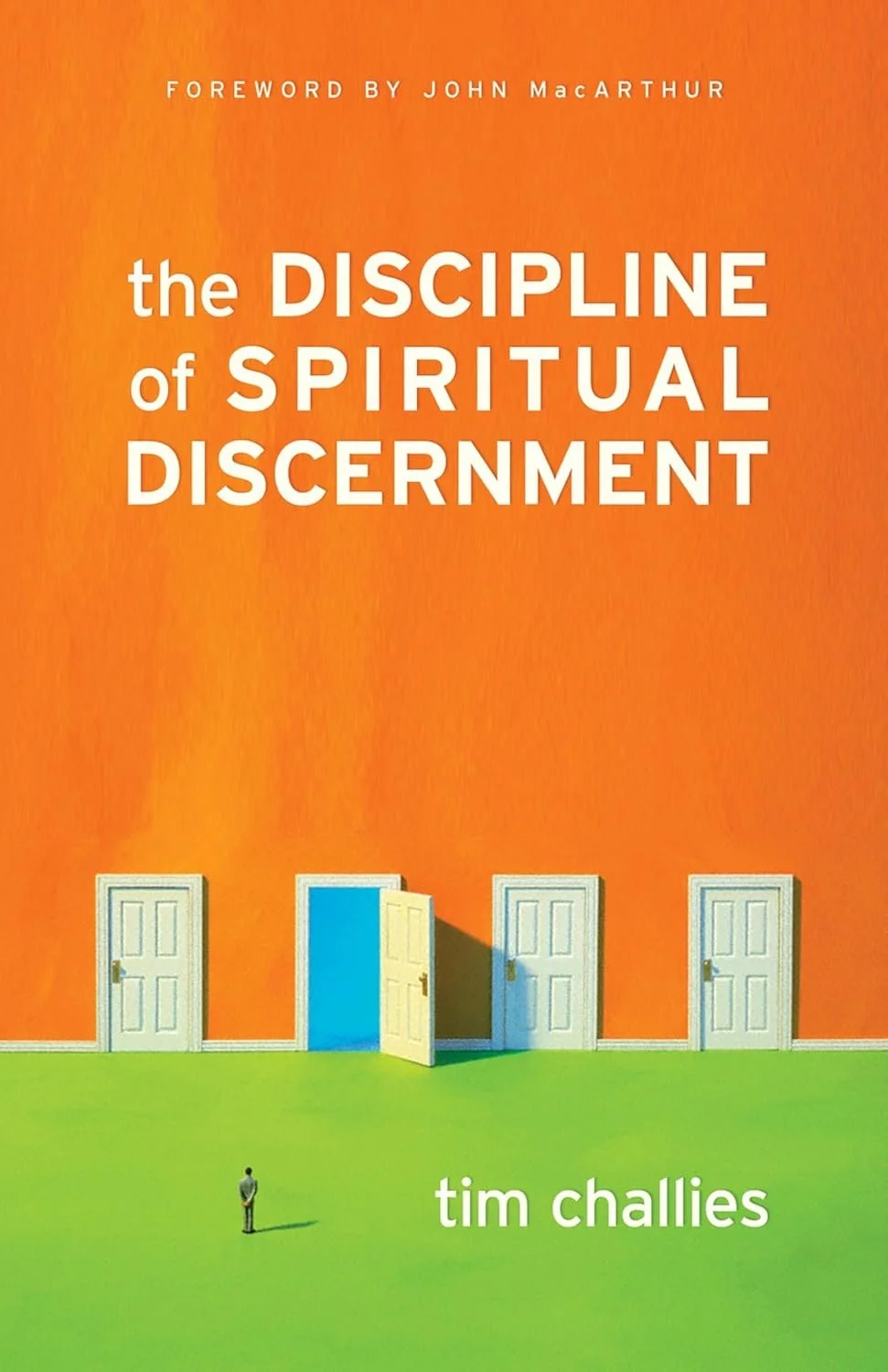
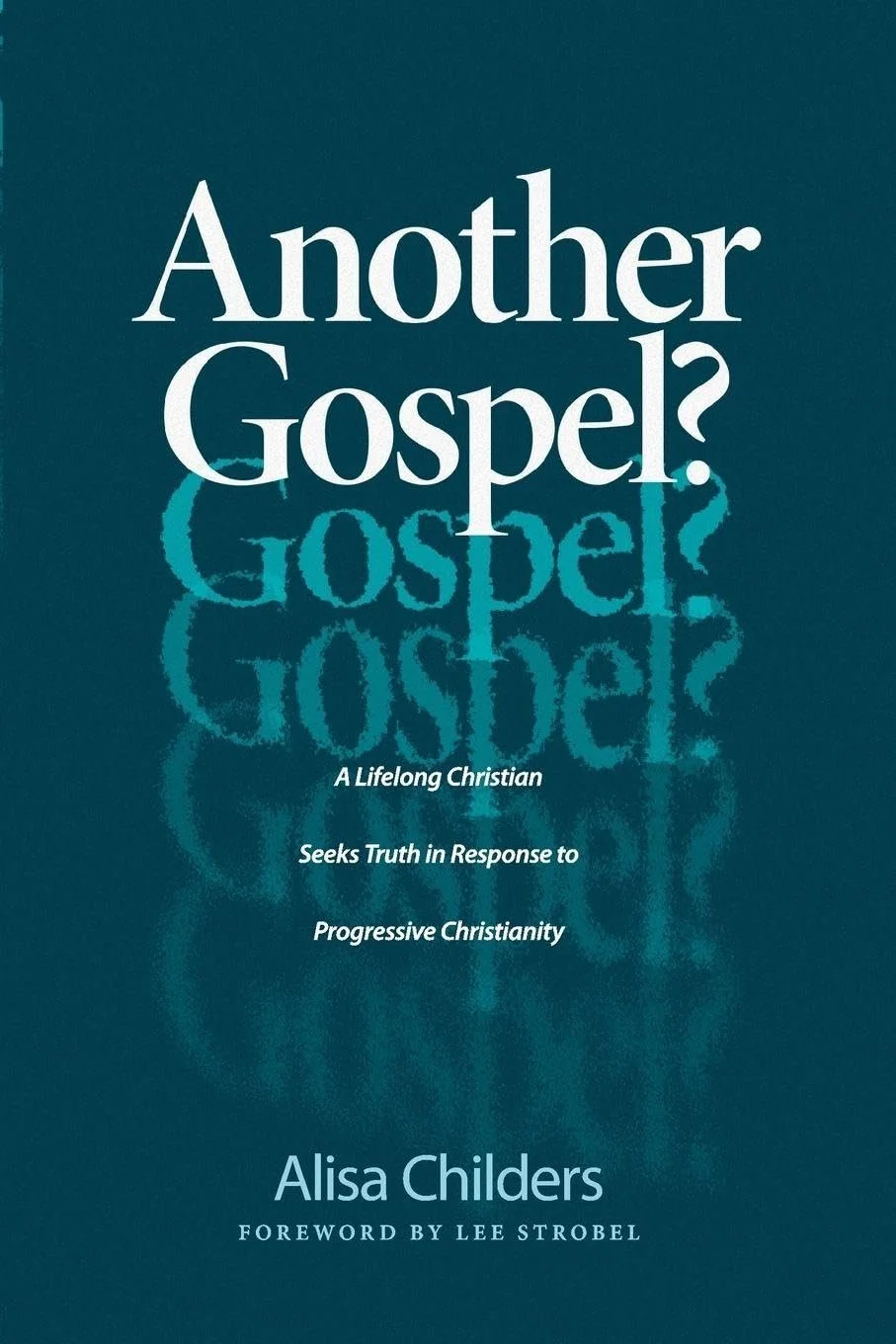
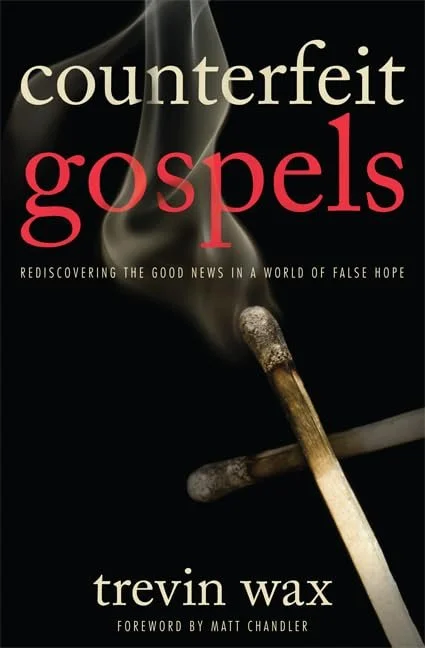
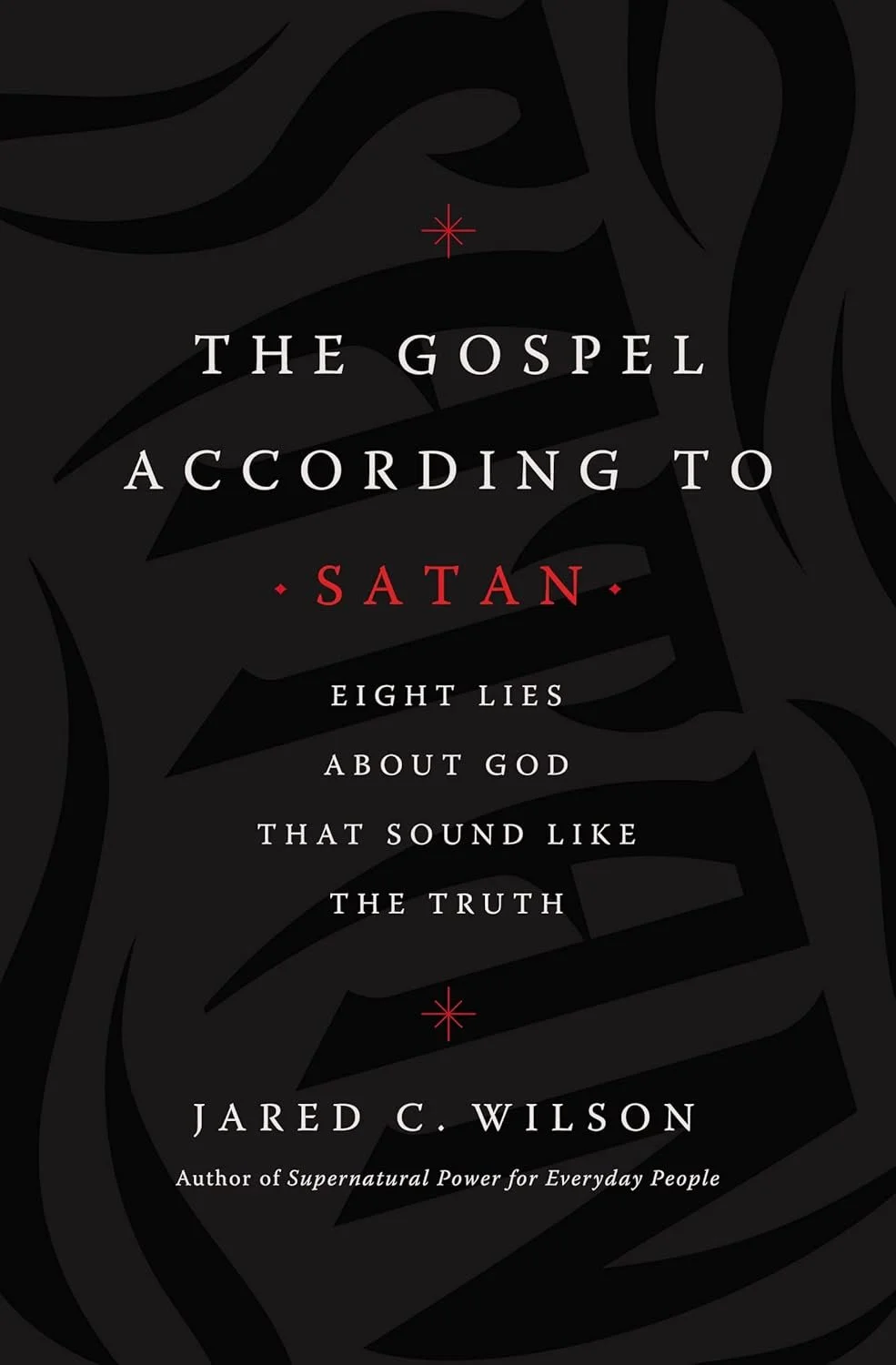
As an Amazon Associate, I earn from qualifying purchases. This page contains affiliate links. If you choose to make a purchase after clicking a link, I may receive a commission at no extra cost to you.If you need more information on God’s Plan of Salvation - Click Here
Want to help support this blog!
Order you favorite “Holy Spirit” Gear Below