Biblical Importance of Inheritance: What It Means for Believers Today

As an Amazon Associate, I earn from qualifying purchases. This page contains affiliate links. If you choose to make a purchase after clicking a link, I may receive a commission at no extra cost to you.
When I think about the word inheritance, I know most people immediately think about money, land, family property, or the possessions someone leaves behind after death. And while inheritance can include those things, the Bible shows me that inheritance is so much deeper than that. Scripture teaches that inheritance is not only about what is passed from one generation to another, but also about identity, promise, covenant, responsibility, blessing, and belonging.
The more I study the Bible, the more I see that inheritance is woven all through it. From the land promised to Abraham’s descendants, to the tribes of Israel receiving their portion, to the believer being made a joint-heir with Christ, inheritance is not some minor side topic. It is a major biblical theme that reveals the heart of God. It tells me that God is a Father who gives, promises, preserves, and prepares. It reminds me that what He gives is not random. It is intentional. It is meaningful. It carries purpose.
And even now, inheritance still matters to us. It matters spiritually. It matters in our families. It matters in the way we live, the way we raise our children, the way we view salvation, and the way we think about eternity. Inheritance in the Bible is not just about what I get someday. It is also about what I am entrusted with right now.
Inheritance in the Old Testament Was About Promise
One of the first major ways inheritance appears in Scripture is through God’s covenant promises. God called Abraham and promised him descendants, land, and blessing. That promise did not stop with Abraham alone. It extended to future generations.
“For all the land which thou seest, to thee will I give it, and to thy seed for ever.” (Genesis 13:15, KJV)
That promise became part of Israel’s inheritance. When the children of Israel finally entered the Promised Land, each tribe received an allotted portion. This was not just real estate. This was a visible sign that God keeps His word. Their inheritance was proof that the Lord had remembered His covenant.
“Blessed be the Lord, that hath given rest unto his people Israel, according to all that he promised: there hath not failed one word of all his good promise.” (1 Kings 8:56, KJV)
That speaks to me even now. Biblical inheritance begins with the truth that God is faithful to give what He promises. He is not forgetful. He is not careless. He does not lose track of His word over time. If He says something will be given, He will give it in His time and in His way.
Sometimes I think we forget that inheritance is rooted in relationship. Israel did not earn the land because of their greatness. They received it because of God’s covenant mercy and His promise to their fathers. That matters because our spiritual inheritance also begins there. It is rooted in God’s faithfulness, not our perfection.
Inheritance Was Also About Identity and Belonging
In the Bible, inheritance was tied to family. To receive an inheritance meant that you belonged to a household, a tribe, a lineage, a covenant people. Inheritance answered the question: Whose are you?
That is still such an important question today. In a world where so many people are confused about who they are, where they belong, and what their life means, the biblical idea of inheritance reminds me that identity is not something I invent for myself. In Christ, identity is received from the Father.
The Levites are especially interesting here. Unlike the other tribes, they did not receive a normal land inheritance in the same way, because the Lord Himself was their inheritance.
“The Lord is their inheritance, as he hath said unto them.” (Deuteronomy 10:9, KJV)
What a beautiful truth. Sometimes inheritance is not just about what God puts into my hand. Sometimes inheritance is God Himself. His presence. His nearness. His portion. His calling.
David understood this too when he wrote:
“The Lord is the portion of mine inheritance and of my cup: thou maintainest my lot.” (Psalm 16:5, KJV)
That verse blesses me every time I read it, because it reminds me that even when earthly things feel unstable, I still have something no one can take from me. My inheritance in the Lord is not fragile. It does not rust. It does not depreciate. It does not depend on the economy, the approval of people, or the shifting opinions of the culture.
Inheritance Was Never Meant to Be Despised
The Bible also warns me that inheritance can be treated lightly. One of the clearest examples is Esau. He was the firstborn, and he had a birthright, yet he traded it for one meal because he valued his immediate craving more than his lasting inheritance.
“Thus Esau despised his birthright.” (Genesis 25:34, KJV)
That one line is sobering. He did not just exchange something valuable. He despised it. He treated something sacred like it was common.
I cannot read that without asking myself where I might be doing the same thing. Am I valuing temporary comfort over eternal reward? Am I trading spiritual depth for short-term satisfaction? Am I neglecting the inheritance God has placed before me because I am too distracted by the pressures of the moment?
Hebrews uses Esau as a warning:
“Lest there be any fornicator, or profane person, as Esau, who for one morsel of meat sold his birthright.” (Hebrews 12:16, KJV)
That tells me that inheritance must be valued. God’s gifts are not to be treated casually. His promises are not to be taken for granted. Our salvation, our relationship with Him, the truth of His Word, the legacy of faith we have received—these things are holy, and they deserve reverence.
Inheritance Includes a Spiritual Legacy
When I think about inheritance, I also think about what we leave behind. The Bible does speak to material provision.
“A good man leaveth an inheritance to his children's children.” (Proverbs 13:22, KJV)
That certainly can include financial wisdom and practical provision. There is nothing wrong with wanting to bless the generations after us in tangible ways. But I do not believe the verse is limited to money. In fact, I believe one of the greatest inheritances I can leave is a spiritual legacy.
I can leave prayer behind.
I can leave the testimony of faith behind.
I can leave Scripture in the hearts of my children and grandchildren.
I can leave examples of repentance, humility, service, and trust in God.
I can leave a memory that when things were hard, I sought the Lord.
I can leave behind a home where Jesus was honored.
Money can help people for a season, but the knowledge of God can shape generations.
The psalmist wrote:
“One generation shall praise thy works to another, and shall declare thy mighty acts.” (Psalm 145:4, KJV)
That sounds like inheritance to me. Not a legal document, but a living transfer of truth. The older generation telling the younger one, “Let me tell you what God has done. Let me tell you who He is. Let me tell you how faithful He has been.”
That kind of inheritance is priceless.
Jesus Changes Everything About Inheritance
The greatest shift in understanding inheritance comes in the New Testament. Through Jesus Christ, inheritance is no longer only discussed in terms of tribal allotments or family land. It becomes gloriously bigger. It becomes eternal.
Because of Christ, those who believe are brought into the family of God.
“For ye are all the children of God by faith in Christ Jesus.” (Galatians 3:26, KJV)
And if we are children, then we are heirs.
“And if children, then heirs; heirs of God, and joint-heirs with Christ.” (Romans 8:17, KJV)
That verse is almost too wonderful to take in. I am not merely someone standing outside hoping for mercy. In Christ, I have been brought near. I have been adopted. I belong. I am an heir of God and a joint-heir with Christ.
That does not mean I become equal to Christ in His divine nature, of course, but it does mean that by grace, I share in what He purchased for me through His death and resurrection. Salvation is not just rescue from wrath. It is entrance into a family and participation in a promised inheritance.
Paul says in Ephesians:
“In whom also we have obtained an inheritance.” (Ephesians 1:11, KJV)
He also says that the Holy Spirit is:
“The earnest of our inheritance until the redemption of the purchased possession.” (Ephesians 1:14, KJV)
The Holy Spirit is like the guarantee, the down payment, the sure promise that what God has spoken will fully come to pass. That encourages me so much, because sometimes I only see part of what God is doing. I still battle weakness. I still live in a fallen world. I still wait for the fullness of redemption. But the Spirit of God within me is proof that my inheritance is real and coming.
Our Inheritance Is Incorruptible
Earthly inheritances can be lost, divided, stolen, wasted, or fought over. Families can be torn apart over property. Savings can disappear. Land can change hands. But the inheritance we have in Christ is different.
Peter describes it this way:
“To an inheritance incorruptible, and undefiled, and that fadeth not away, reserved in heaven for you.” (1 Peter 1:4, KJV)
I love every word of that verse.
Incorruptible — it cannot decay.
Undefiled — sin cannot stain it.
Fadeth not away — it does not diminish with time.
Reserved in heaven for you — it is kept by God Himself.
What security there is in that. My eternal inheritance is not being held by a weak hand. It is reserved by the Lord. The same God who promised it is the One keeping it.
That matters today because so much in life feels uncertain. Health changes. finances change. relationships change. opportunities change. Even our own emotions can be all over the place. But if I belong to Christ, then my future is not floating in uncertainty. My inheritance is secure.
Inheritance Should Affect How We Live Right Now
Sometimes people hear about eternal inheritance and immediately think only about heaven one day. But the Bible never uses future hope as an excuse for present passivity. In fact, inheritance should change the way I live now.
If I know I belong to God, I should live like His child.
If I know I am an heir, I should not live like I am spiritually homeless.
If I know I have a holy inheritance, I should not keep returning to the world for identity and meaning.
Colossians says:
“Giving thanks unto the Father, which hath made us meet to be partakers of the inheritance of the saints in light.” (Colossians 1:12, KJV)
That means my life should be marked by gratitude. I did not make myself worthy. The Father made me fit through Christ. That humbles me. It also gives me confidence. I do not have to strive to create my own spiritual status. I receive what He has graciously given.
Inheritance should also affect my stewardship. If God has entrusted me with truth, gifts, opportunities, and influence, then I am responsible for how I handle them. I am not meant to waste what He has placed in my life.
This includes how I handle money, time, Scripture, my family, my testimony, and even my suffering. God can use all of it to build a legacy that points others to Him.
Inheritance and the Family Today
I think inheritance is especially important for families right now because many homes are being built on survival instead of legacy. We are often so busy getting through the day that we forget to ask what we are planting for the future.
What am I teaching my children without even realizing it?
What am I modeling?
What values are being passed down in my home?
What kind of inheritance will remain after I am gone?
I may not be able to leave great wealth, but I can leave great faith. I can leave prayers written in journals. I can leave Bibles marked with tears and promises. I can leave stories of answered prayer. I can leave a pattern of church faithfulness, generosity, forgiveness, and love for God’s Word.
And even if I did not receive a godly inheritance myself, by the grace of God I can begin one now.
That is important, because some people hear messages about legacy and feel discouraged. Maybe their family line is marked by addiction, brokenness, unbelief, anger, or neglect. But the gospel gives hope. In Christ, a new inheritance can begin. A new pattern can be established. A new testimony can rise from the ashes of old cycles.
God is able to make someone the first faithful link in a new generational chain.
Inheritance Means More Than Possession — It Means Responsibility
Biblically speaking, inheritance is never just about receiving. It is also about carrying forward what has been entrusted. Israel inherited land, but they were called to walk in covenant obedience. Believers inherit promises, but we are also called to walk worthy of our calling.
There is responsibility attached to inheritance.
That is not legalism. That is stewardship.
If God has given me His Word, I should read it.
If He has given me salvation, I should not treat it carelessly.
If He has given me truth, I should pass it on.
If He has given me children, I should point them to Him.
If He has given me influence, I should use it wisely. If He has given me a future hope, I should live with holiness in the present.
Inheritance is not a reason to become proud. It is a reason to become grateful, careful, and faithful.
The Greatest Inheritance Is Christ Himself
At the center of all of this is Jesus.
Without Him, the topic of inheritance stays partial. With Him, it becomes full. He is the promised Seed. He is the true Heir. He is the One through whom every promise finds its “yea” and “amen.” He is the One who makes sons and daughters out of sinners. He is the One who opens the way into an eternal inheritance we could never earn.
And honestly, beyond every gift He gives, He Himself is the treasure.
It is possible to think so much about blessings, rewards, heaven, and promises that we miss the greatest part: we get Him. We get to know Him, walk with Him, belong to Him, and dwell with Him forever.
That is the inheritance my soul really longs for.
Final Thoughts
The biblical importance of inheritance is still deeply relevant to us today because inheritance is about more than possessions. It is about promise. It is about covenant. It is about belonging. It is about spiritual legacy. It is about eternal hope.
Inheritance reminds me that God is a giving Father.
It reminds me that His promises do not fail.
It reminds me that in Christ I am no longer outside looking in.
It reminds me that what I pass down matters.
It reminds me that I should not despise what is holy.
And it reminds me that my best inheritance is not earthly at all, but eternal.
So today I want to hold tightly to what God has given me. I want to value His truth, walk in my identity as His child, and leave behind something more meaningful than things. I want to leave behind faith. I want to leave behind the fragrance of a life that trusted God. I want to leave behind a testimony that says the Lord was faithful.
And most of all, I want to live like someone who truly believes that in Christ, I have an inheritance that will never fade away.
“The lines are fallen unto me in pleasant places; yea, I have a goodly heritage.” (Psalm 16:6, KJV)
That is still true for every believer who belongs to Jesus.
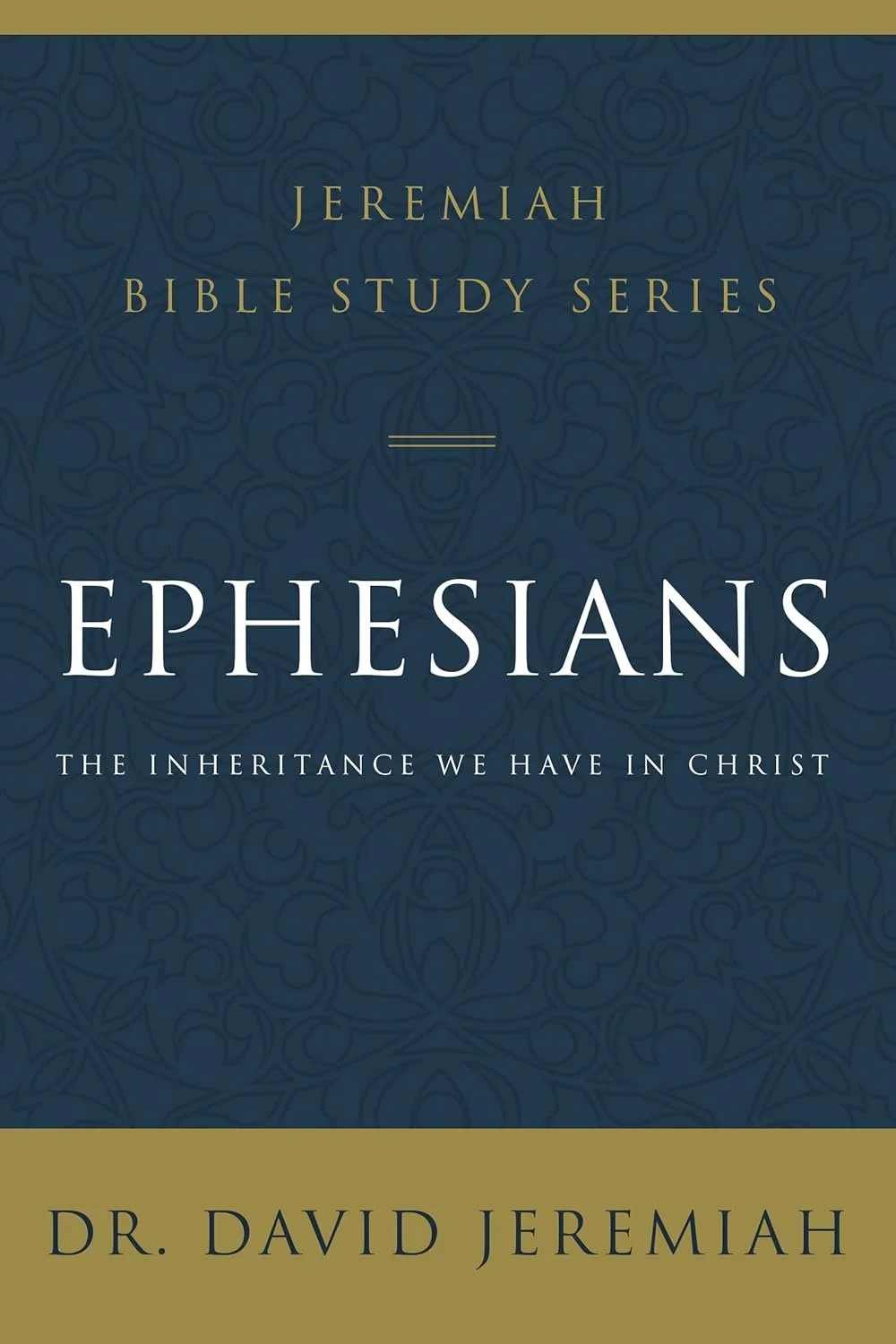
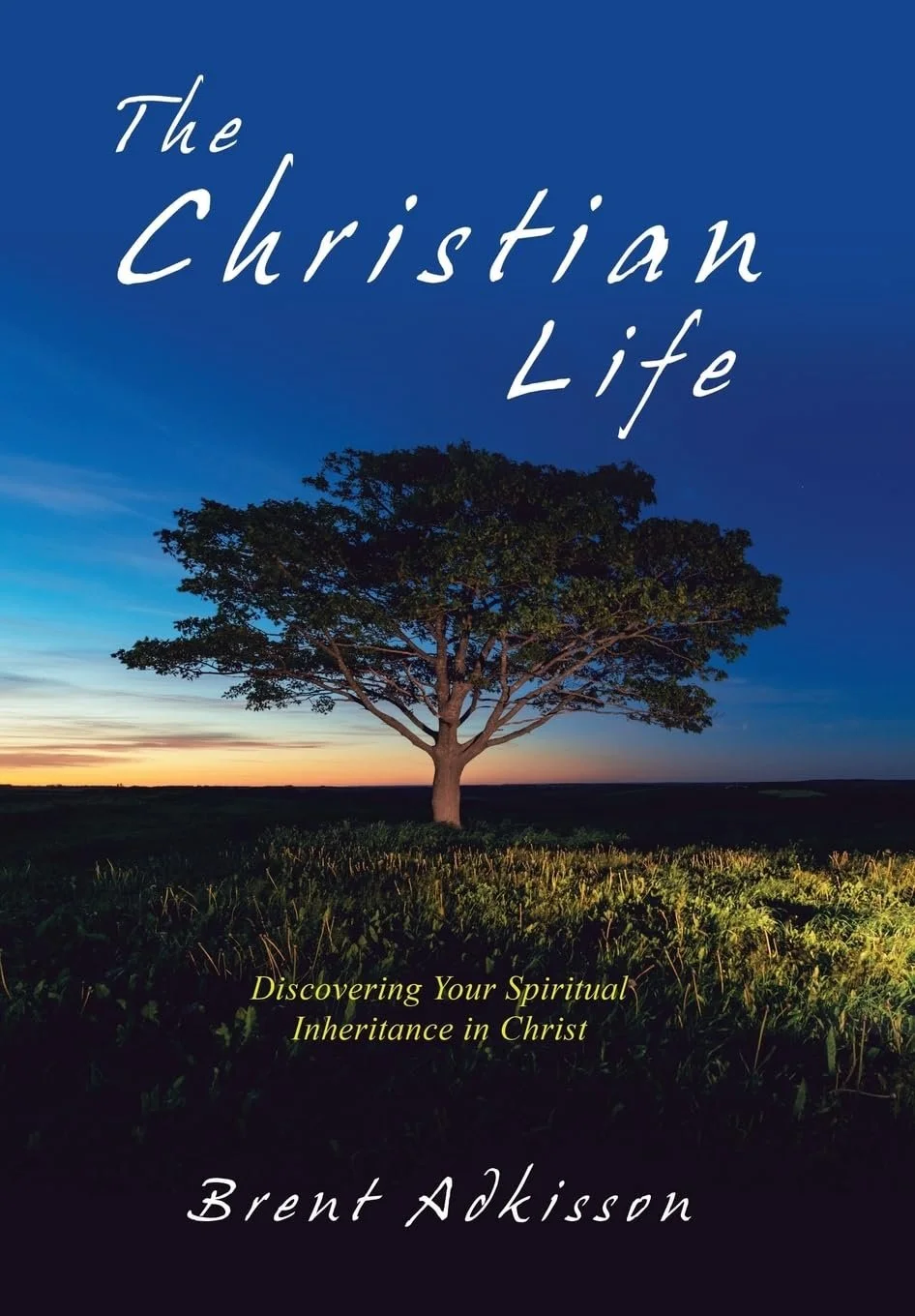
Recommended Books to Further Study the Subject
If you need more information on God’s Plan of Salvation - Click Here